Seeing the human side of homelessness |
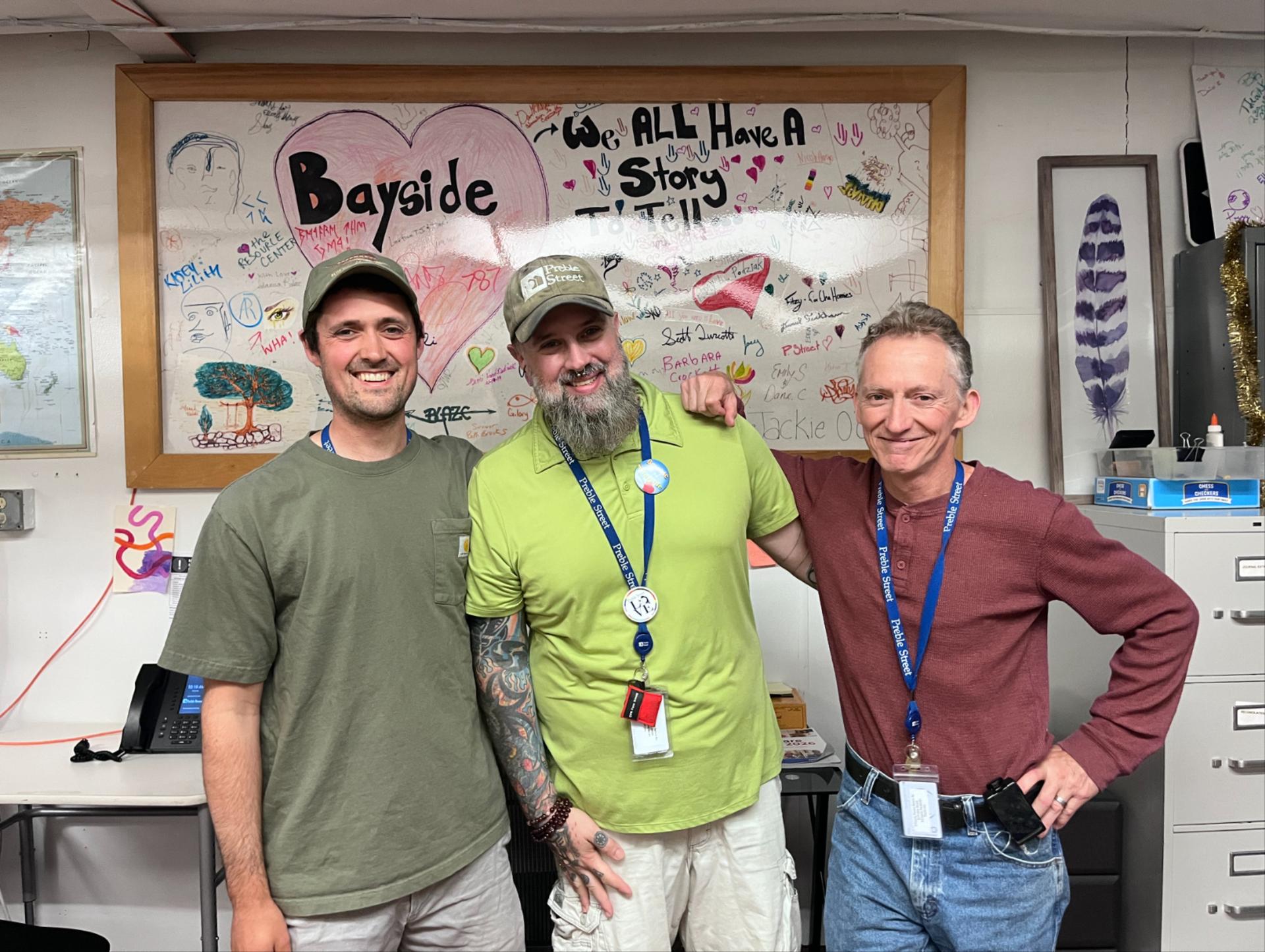
Street Outreach Collaborative caseworkers Bob, Casey, and Brian |
“We have that opportunity, that privilege of being able to share in this story with our clients every day, and learn from them, and learn about what struggles they are going through, about why they’re in this situation that they’re in. But if you’re just seeing someone out here and passing judgment… you’re not going to see the human side of someone.” – Bob Avery, Caseworker, Street Outreach Collaborative
The small but mighty Street Outreach Collaborative (SOC) at Preble Street works to connect people living unsheltered in Portland to basic needs and resources that can help them get their lives back on track.
“Our goal is to connect people with full-time caseworkers and other resources that are available in the community,” says Brian Quinn, SOC caseworker. “We get them their basic needs, we build a relationship of trust and then bring them to the longer-term resources they need.” |
|
|
|
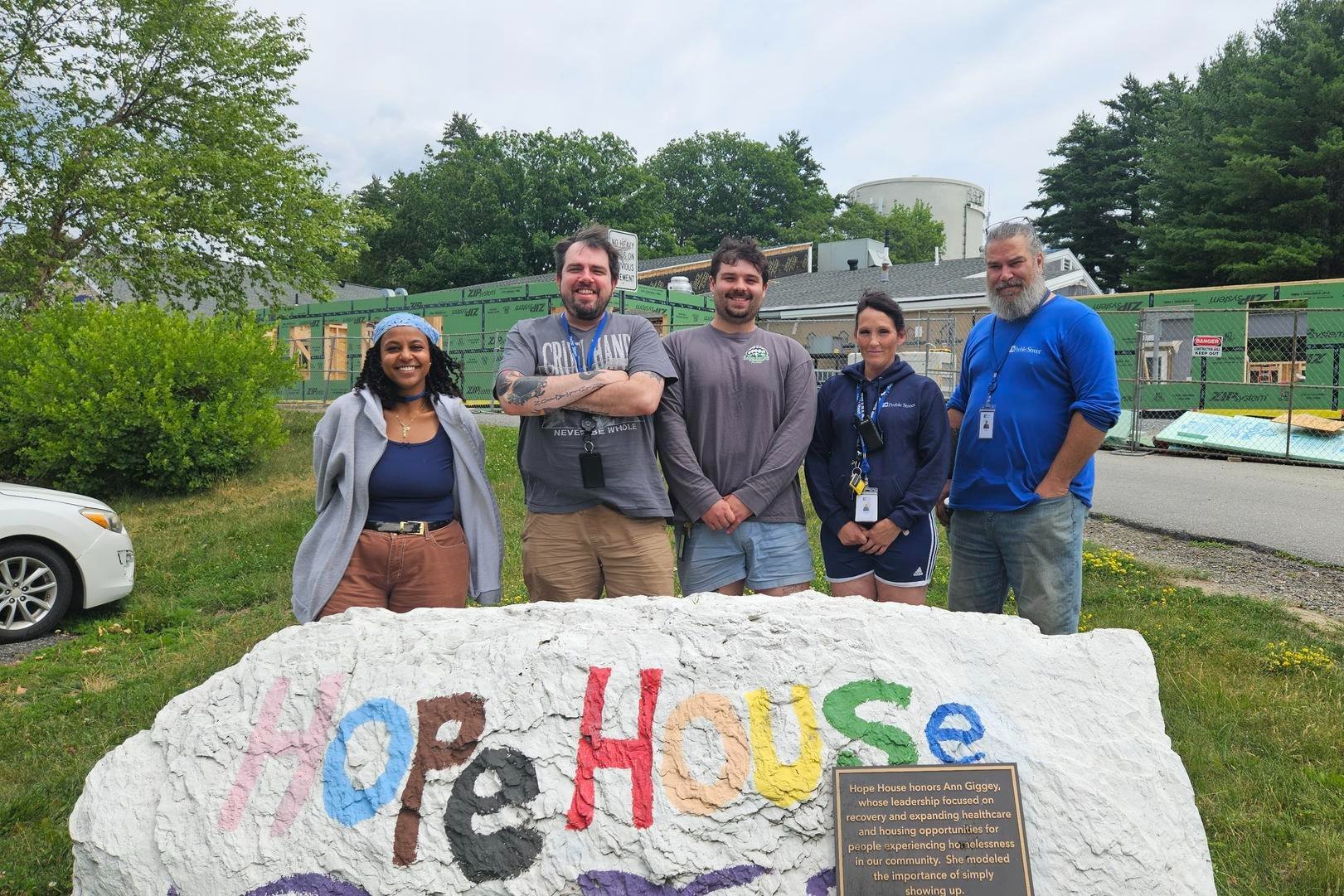
The housing team at Preble Street’s Hope House Shelter in Bangor does so much more than simply house people. As one of only five nonprofit low-barrier shelters in Maine, Hope House serves a variety of people. Some are newly unhoused, and others have been experiencing chronic homelessness for years. Each person’s situation is different, but the housing navigator they’re assigned to meets them where they’re at.
“Assessment is huge in this line of work,” says Rachelle Welch-Nickerson, Hope House Housing Supervisor. “People are coming out of trauma-based situations. They’re coming out of survival mode. Some people have never lived in their own place. So, getting an understanding of anything that can cause a barrier – that’s what we focus on. And letting people know we’ve got their back. ‘We want you to achieve this. You deserve it!’ It’s really a lot of work on all sides.”
“We always stress to our clients that at the end of the day, they’re the ones driving the ship,” says Shane Gero-Lewis, Housing Navigator. “We’re just helping navigate. It’s literally in our job title.”
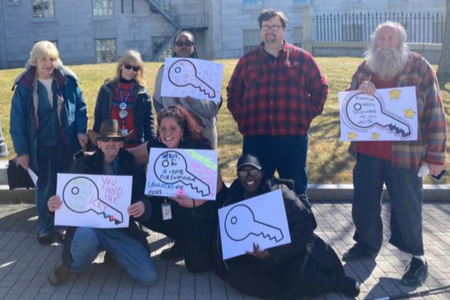
And that support and navigation doesn’t stop once the team hands someone the keys.
“People think, ‘Oh, great, you housed them. Now they’re on their own.’ That’s not how it works,” says Rachelle. |
|
|
Staff highlight: Elijah Akilo -
"Giving help where help is needed" |
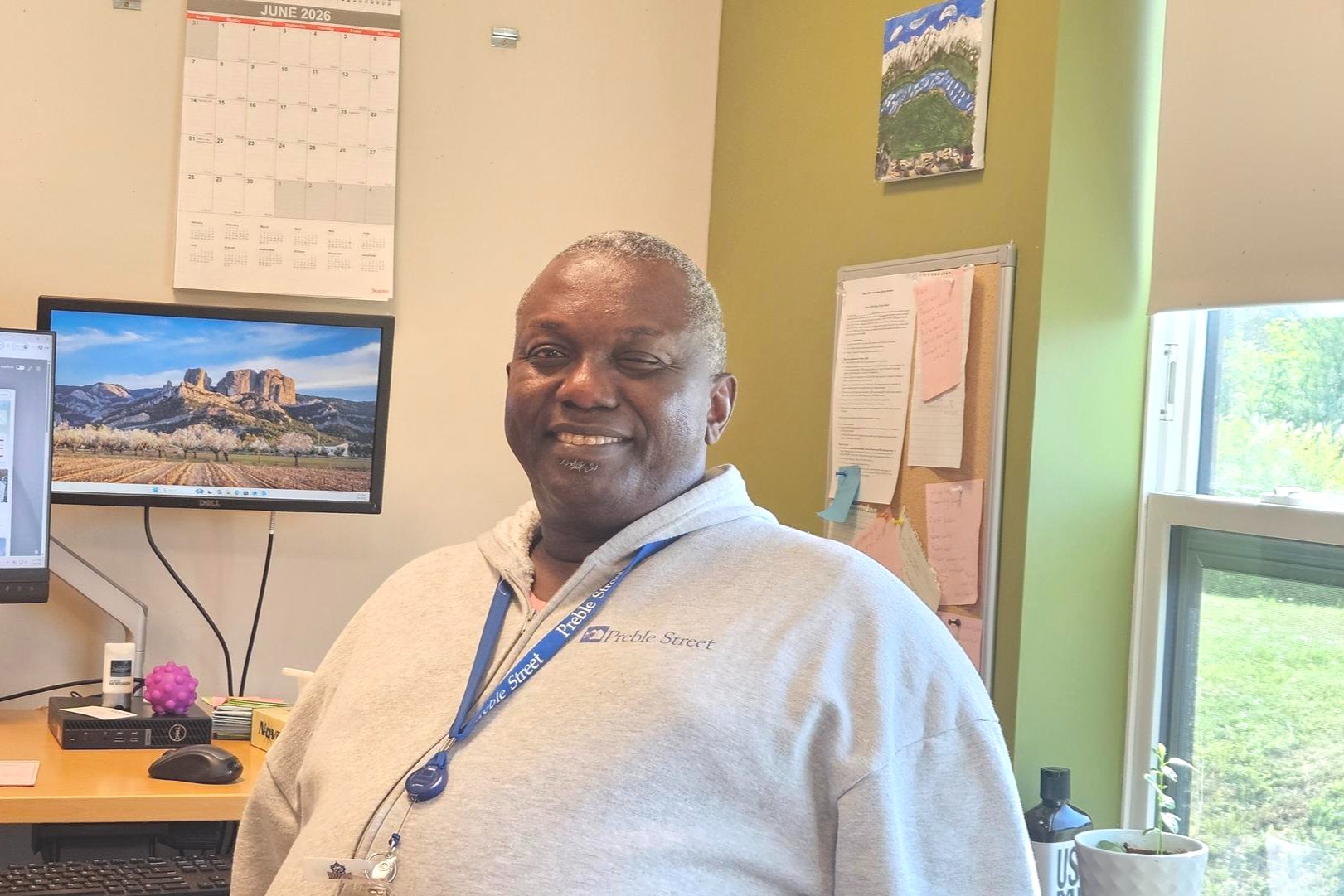
Preble Street staff are #CompassionInAction, and we want you to get to know them! This month we’re introducing you to Elijah Akilo, second shift caseworker at Preble Street Housing Program, Huston Commons.
What do you like best about your role at Huston Commons? Well, I have been a social worker in the state for 12 years, but this is a different kind of setting. I worked predominantly with teens before, but this role is my first time working with homelessness and adult mental health. Being a caseworker, I have always had a natural passion towards helping people. Giving help where help is needed has always been my way of life.
What aspect of Preble Street makes you proud to work here? As long as a few decades ago, I knew I wanted to work for Preble Street. I actually applied about 25 years ago at the Teen Shelter but I didn’t get it.
I didn’t know about the Housing First programs until I worked here. That’s a different ball game, where you get people into housing first, which is the priority, and then deal with substance use and mental health. I got sold on it when I started here, and seeing that it works. I like that it’s expanding to the whole state [Home for Good program] because of what Preble Street has done.
|
|
|
|
Compassion begins with understanding |
|
|
|
This is the second in our series on the intersections of mental health and homelessness. Read the first here. When we educate our communities about these issues, we build understanding, reduce stigma, and nurture compassion.
Before we talk about how mental health issues can sometimes lead a person toward homelessness, the data is clear: the best predictor we have for homelessness is a lack of affordable housing in an area. High rent prices and low housing availability are directly linked to increases in homelessness.
Homelessness is rarely – if ever – the result of a single choice or event. It is often the result of compounding barriers and a lack of access to the supports people need to survive and heal.
Experiences like abuse, neglect, witnessing violence, living with a parent struggling with substance use or mental health disorders, or growing up in chronic instability can shape a child’s developing brain and body. These experiences, known as Adverse Childhood Experiences (ACEs), do not determine a person’s future. But they can dramatically increase a person’s risk of mental illness, substance use, and housing instability, especially when compounded by other systemic factors like racism, poverty, and lack of access to healthcare.
|
|
|
|
Building pathways to justice |
|
|
|
Preble Street’s work is never done in isolation. We are continuously making connections with other social service providers and nonprofits to better serve clients and the needs of the community. This month, we are highlighting the Maine Volunteer Lawyers Project.
The Volunteer Lawyers Project (VLP) is a statewide civil legal aid organization dedicated to expanding access to justice by mobilizing volunteer attorneys and trained community members to help people who cannot afford legal assistance. Each year, their team connects thousands of Mainers with free legal help through clinics, online legal advice, courthouse-based support, and pro bono representation.
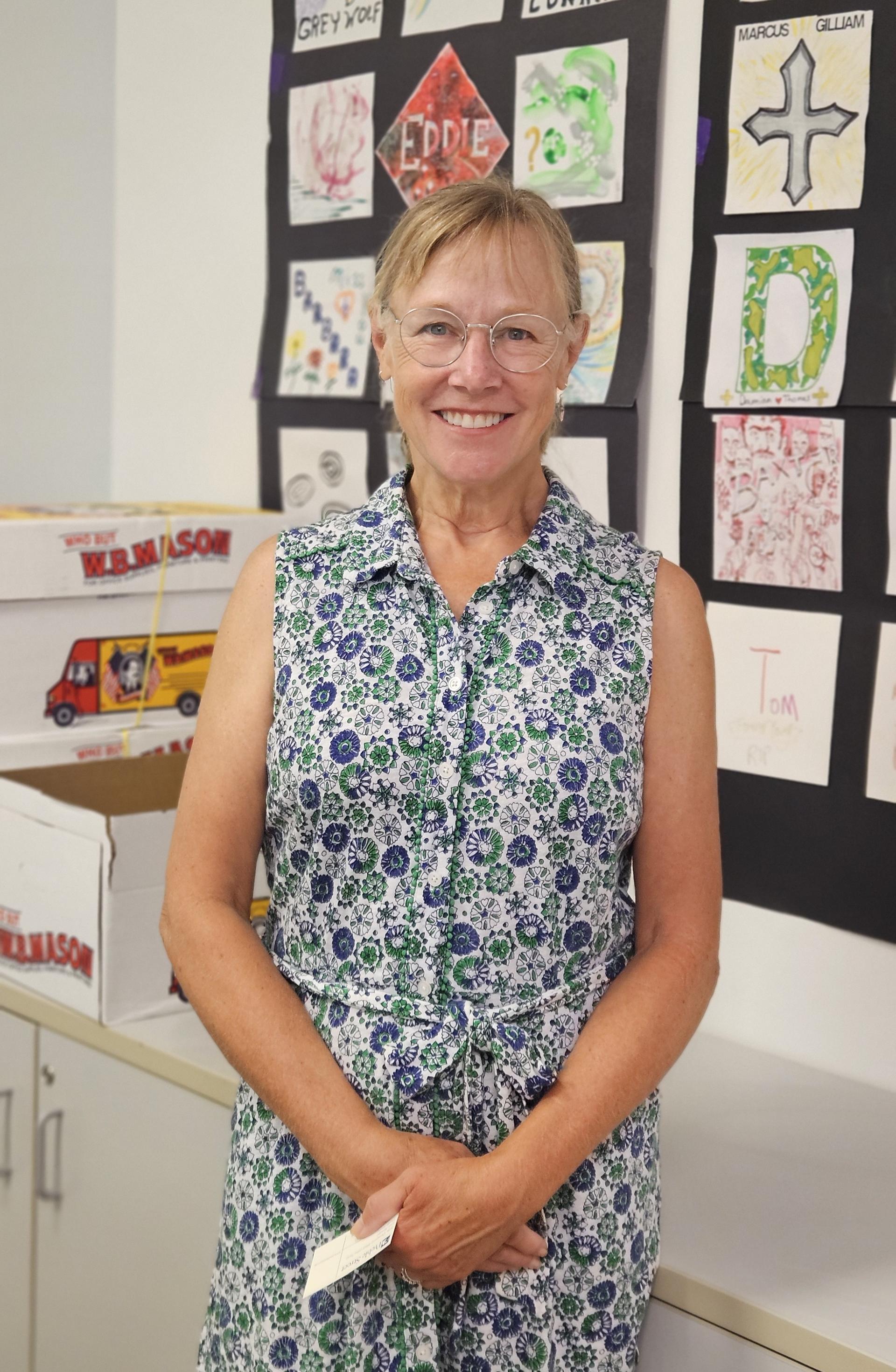
With coordination by the Preble Street Advocacy team, volunteer attorney Liz Stout (pictured) offers monthly clinics at Preble Street designed to be low-barrier and accessible. People can walk in and meet directly with Liz for confidential legal advice on a wide range of matters.
“We’ve seen the benefits of what she can do, and how she helps clients understand a clear path of the steps they have to take to start or continue the process,” says Casey Chick, Street Outreach Collaborative caseworker at Preble Street. “People have had housing issues, or were facing eviction. Someone had child support issues, which can create a lot of barriers. Her guidance helped them so much, and they’re doing amazing right now. VLP has been a really great asset to have here.”
|
|
|
|
Low-barrier shelters open the door to recovery |
|
|
|
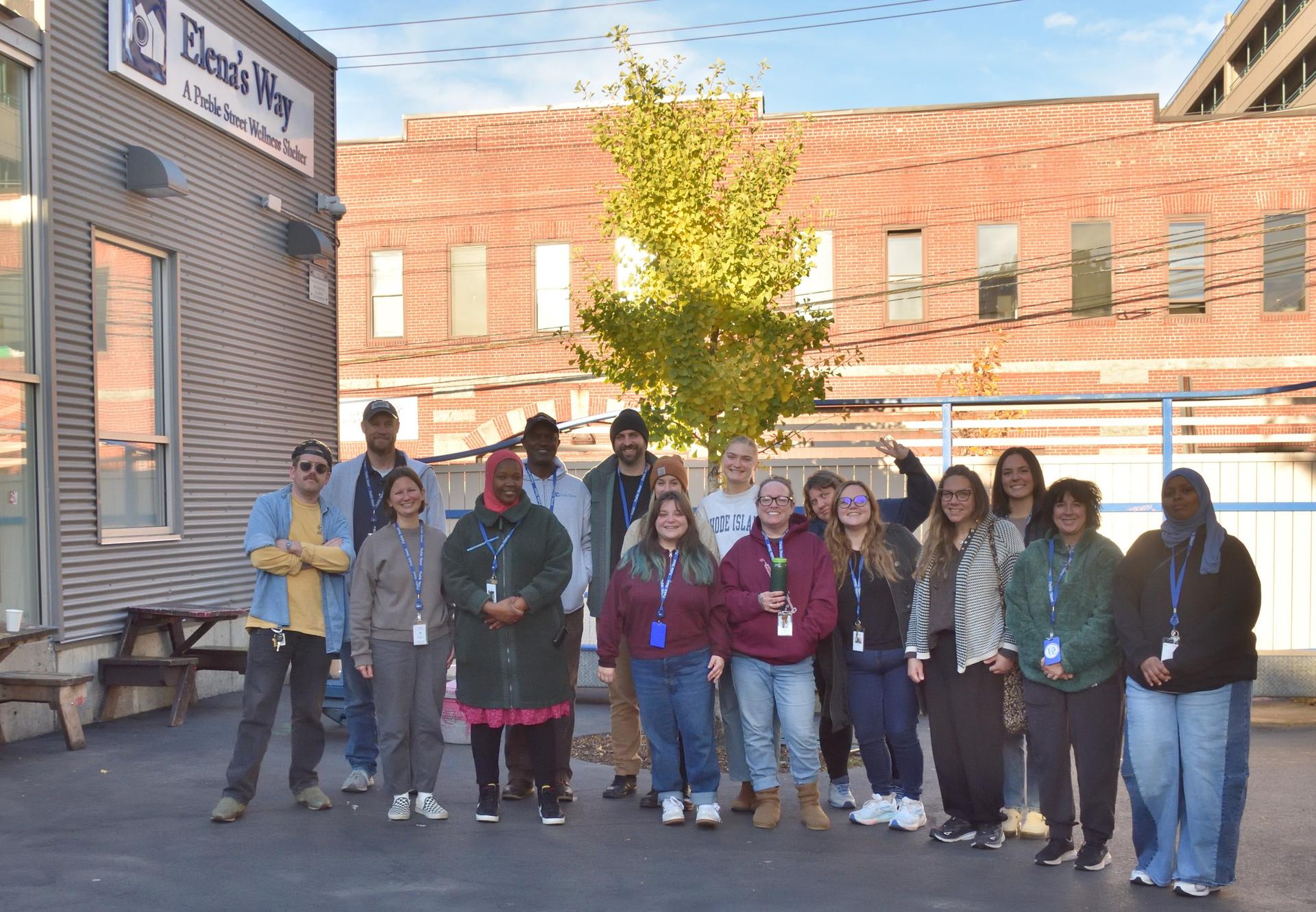
Preble Street staff outside of Elena's Way, one of five nonprofit low-barrier shelters in Maine. We’ve shared before that Maine’s emergency shelters are underfunded and at-risk of closing. When shelters close, people no longer have a safe place to sleep inside; they have less connection to support and other resources and are more vulnerable to any number of additional challenges, including substance use.
Every day, shelter staff at Preble Street and at our low-barrier shelter partners meet vulnerable people who are in some of the worst times of their lives. And every day these staff walk alongside people as they work to reclaim their lives. It is through this work that we have seen how critical low-barrier shelters are in addressing the opioid crisis. |
|
|
|
| |
Preble Street Conference on Homelessness: Responding Together.
From increasing housing costs and other economic pressures to the ongoing opioid crisis and the decreasing social safety net, there are many factors increasing the number of people experiencing homelessness for the first time or returning to homelessness in Maine.
Responding to this crisis effectively requires a collective effort from local and state governments, homeless service providers, housing agencies, healthcare providers, law enforcement, business and community groups, and faith leaders. When we align our efforts and resources, real change is possible!
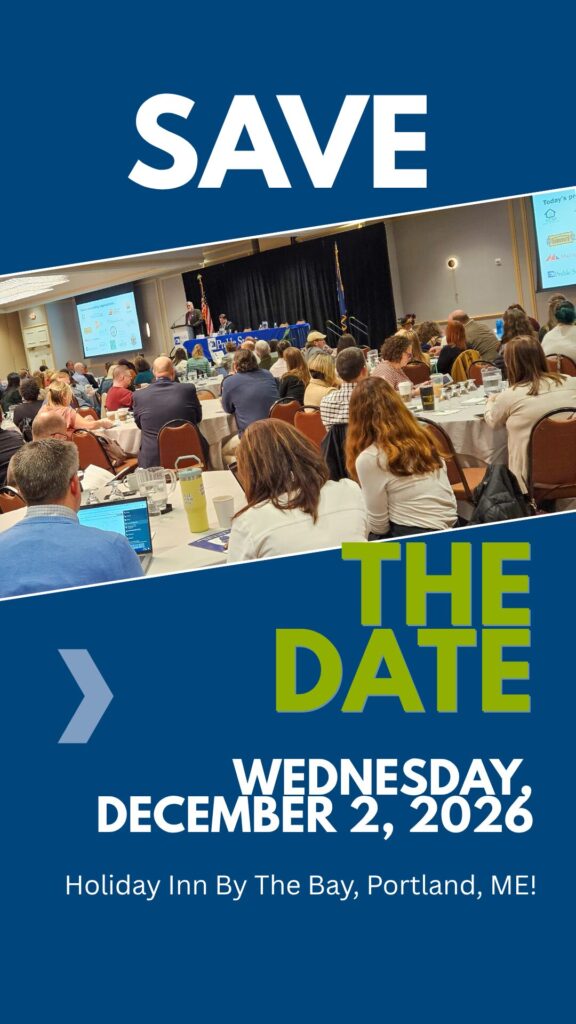
Together, we’ll address building better systems for leadership, public policy, services, communications, and data strategies. Join us on Wednesday, December 2, 2026,
at Holiday Inn by the Bay, Portland! |
|
|
|
August is National Make-A-Will Month, a reminder that creating or updating your will is one of the most meaningful ways to protect your loved ones and support the causes you care about most.
By including Preble Street in your estate plans, you can create a lasting legacy that helps provide food, shelter, housing, healthcare, and hope for people experiencing homelessness, hunger, and poverty across Maine. |
A gift in your will costs nothing today, yet it can make a powerful difference for generations to come. Whether you've supported Preble Street for years or are considering your first legacy gift, your commitment can help ensure that our most vulnerable neighbors continue to receive the care, dignity, and opportunities they deserve.
Ready to get started? Preble Street has partnered with FreeWill, an easy-to-use online tool that allows you to create your legally valid will at no cost. Take the first step toward protecting your loved ones and creating a legacy of compassion.
For questions about leaving a legacy gift to Preble Street, please contact [email protected]. |
|
|
|
Employment Opportunity:
Community Organizer |
The Community Organizer engages people with lived experience of homelessness, hunger, and poverty to develop, lead, and implement campaigns for positive policy change. The Organizer will be responsible for providing direction and support to Homeless Voices for Justice (HVJ).
To foster relationships and create outreach opportunities with clients and others, the Community Organizer will spend significant time each week collaborating with Preble Street programs. As a member of the Advocacy Team, the Organizer will also support the team with local, state, and federal advocacy campaigns, assist with event coordination, and build and maintain relationships with community partners. |
|
| Volunteer Opportunity:
Emergency Food Packaging |
At the Food Security Hub, we're building an emergency meal reserve that allows us to respond quickly when disasters, public health emergencies, or other unexpected events increase the need for food assistance.
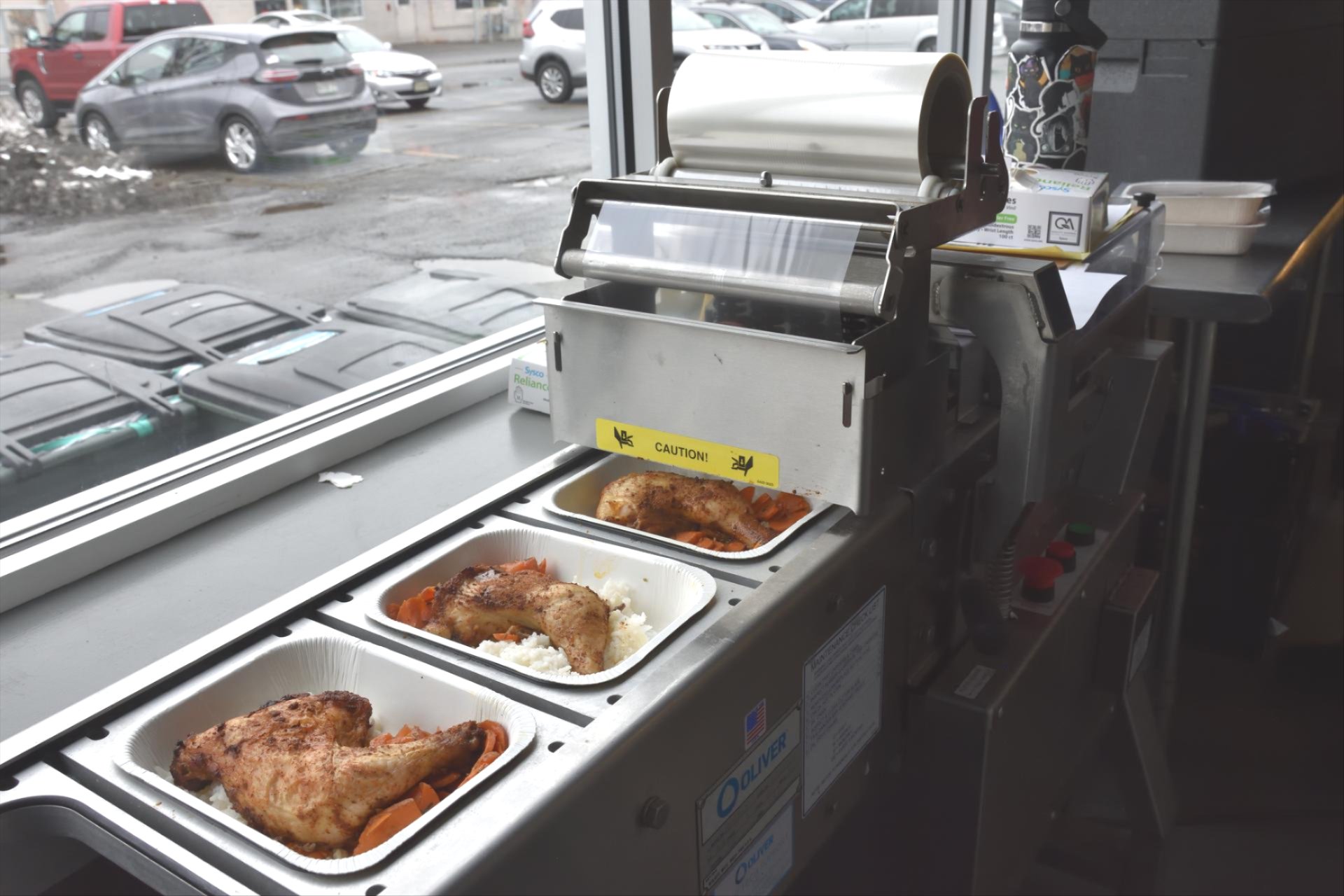
Our expanded freezer capacity enables us to store up to 50,000 prepared, nutritious meals, and we're making great progress with more than 12,000 meals already packaged and in the freezer. Every week, volunteers help us grow that reserve, ensuring we're ready to provide from-scratch meals whenever our community needs them.
During these shifts, volunteers package freshly prepared meals for freezer storage, an important role that helps ensure we're ready to respond at a moment's notice. Thank you for helping us strengthen our community's emergency preparedness, one meal at a time. |
|
|
|
55 Portland Street, Portland, ME 04101 |
|
|
|
The mission of Preble Street is to provide accessible barrier-free services to empower people experiencing problems with homelessness, housing, hunger, and poverty, and to advocate for solutions to these problems. |
|
|
|
|