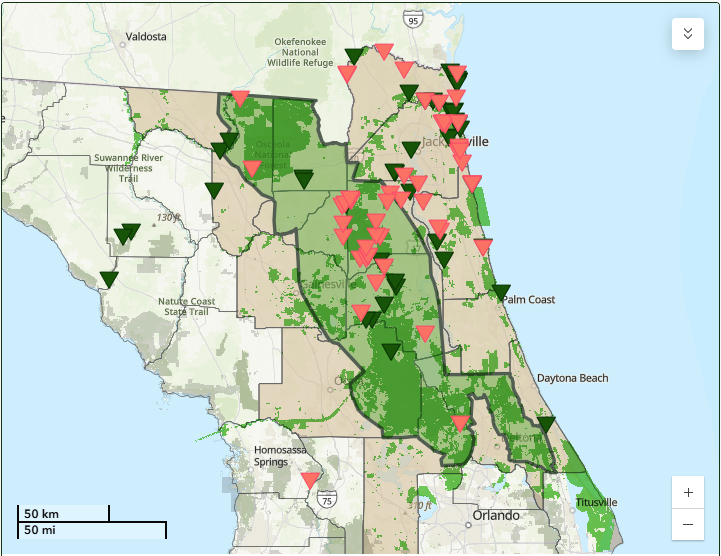
Curious Where NFLT Has Protected Land Near You? |
NFLT now has a public dashboard where you can see all of our protected lands, details of each property, and where they are located on the map. Click on the map below to check it out and let us know what you think! |
83 Acres Near Camp Blanding Now in Conservation with NFLT |
The purchase of the conservation easement will ensure the property remains free from any future development.
NFLT has acquired a conservation easement that is more than 83 acres in Clay County on the southeast side of Camp Blanding, within the military installation’s Army Compatible Use Buffer (ACUB) zone. It is also within the ecologically important Ocala to Osceola (O2O) Wildlife Corridor. The conservation easement on the property owned by the Hughes family was purchased for $540,000 with funding from the Department of Defense’s Readiness and Environmental Protection Integration (REPI) program.
“The purchase of this conservation easement ensures that this property will never be developed or changed from its existing use. It is Now or Never,” said Allison DeFoor, president and CEO of NFLT. “The family will be able to continue living on and enjoying the property, while protecting its natural state. This conservation easement protects land vital to wildlife habitats and national defense. It prevents encroachment on Camp Blanding, which has been an important partner in conservation within the O2O for many years.”
The Hughes property is near NFLT’s Milam Preserve, Smith Lake Preserve, and Gold Head Branch State Park. It is the family's primary residence and includes two homes, a horse barn, outbuildings, and cross-fencing. The conservation easement agreement allows the family to continue to live on and use the land while preventing any further development of the land or more intense uses.
“I am so happy to have found NFLT to help me preserve this beautiful property and the abundant wildlife it supports,” said landowner Erin Hughes. “My family has lived in Florida since the 1880s and I am proud to help preserve at least a piece of the natural Florida they once knew. Thank you to Kim (NFLT conservation transactions manager) and everyone who helped make this happen.”
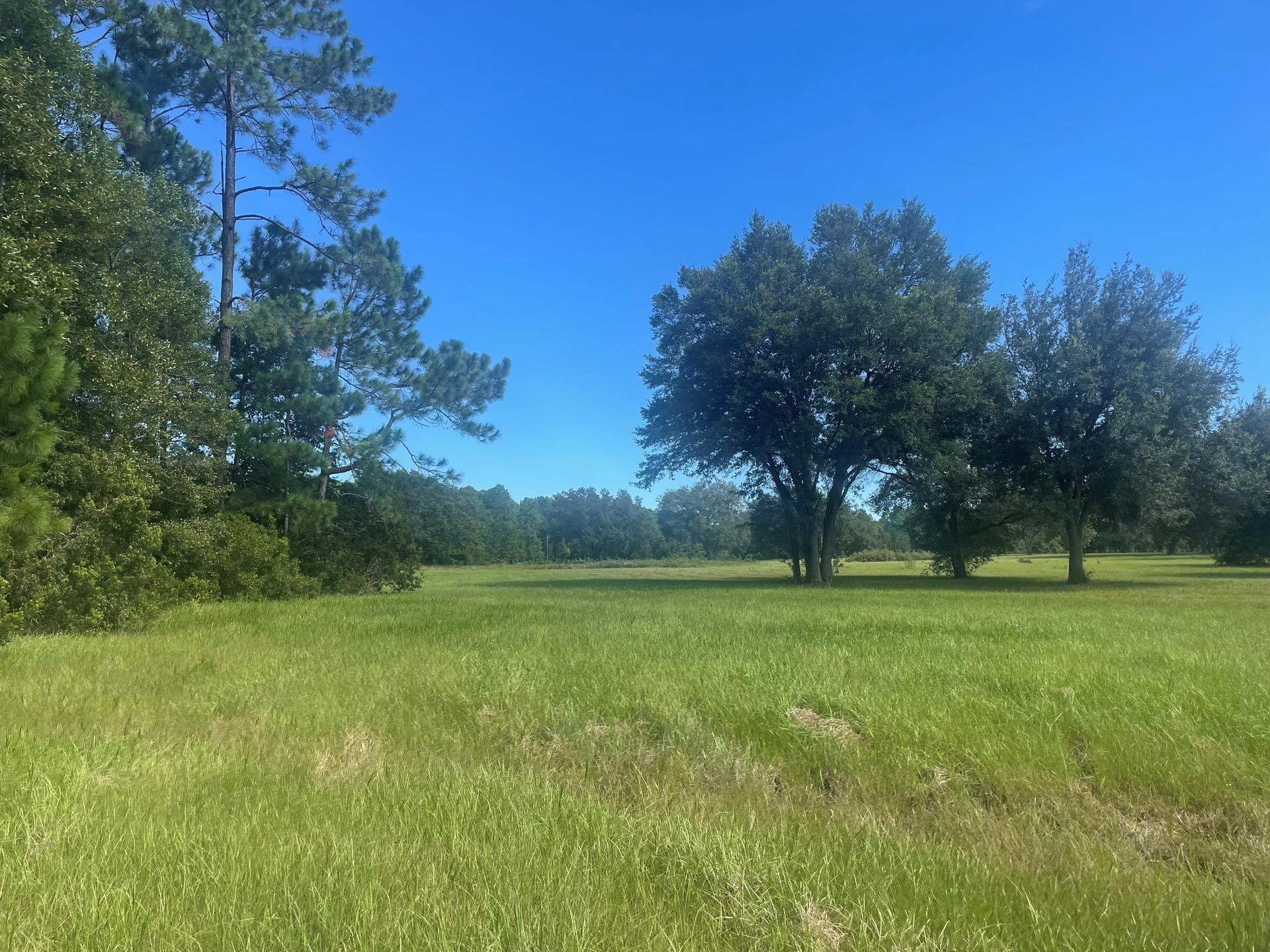
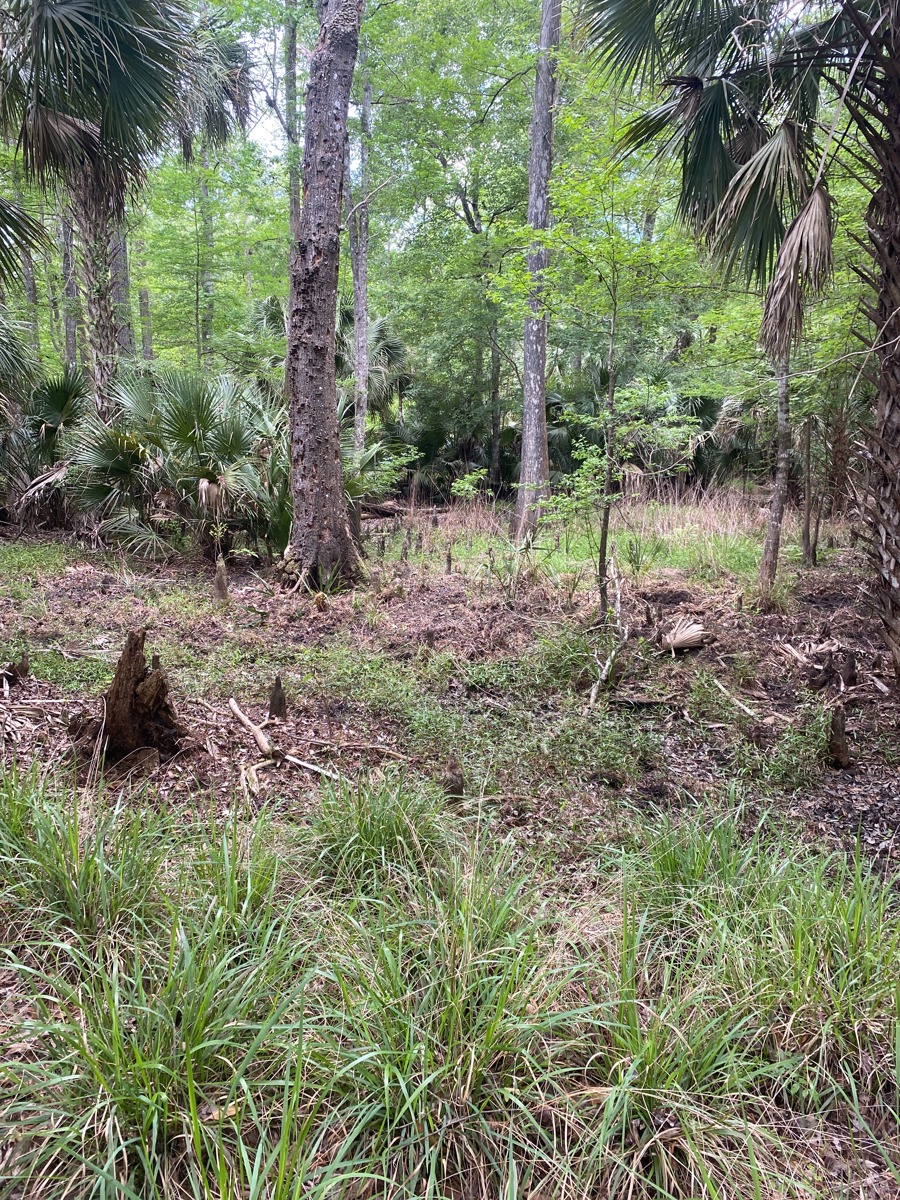
Conserving the land protects the habitats of wildlife and plant species and provides a buffer for Camp Blanding. A blend of upland pine forest and open pastureland offers habitat for many native species, including the white-tailed deer, wild turkey, and the gopher tortoise, a protected species. It also sits on the edge of an aquifer recharge area. Protecting the land will help buffer the creek system, maintain historic recharge and discharge areas, and prevent any potential flooding to the military installation that could occur with more intense uses.
Interested in learning more about conservation easements and how they work? Curious if a conservation easement could work for you and your land? Check out Allison's op-ed from May 2024 HERE. |
NFLT and Partners Have Preserved More Than 385-acres in Putnam County |
NFLT and the Florida Department of Environmental Protection (FDEP) collaborated to purchase a conservation easement on family-owned property adjacent to the Etoniah/Cross Florida Greenway and near Orange Springs. It connects existing conservation lands within the Ocala to Osceola (O2O) Wildlife Corridor, a major initiative of NFLT and its more than 26 agency strong partnership.
FDEP purchased the conservation easement from the O’Connor family for $850,000 with funding from the Florida Forever program. This was the second time NFLT facilitated a conservation easement purchase from the family in coordination with FDEP. Approximately one year ago, an 855-acre conservation easement was purchased from the O’Connors on property east of this location and within the O2O, also through the Florida Forever program.
“It was a pleasure working with the O’Connor family once again to ensure their land is protected from the threat of development and will remain natural forever. It is now or never,” said Allison DeFoor, president and CEO of NFLT. “We brought the property to the attention of FDEP, who helped make the preservation possible. This is another example of a willing landowner, a nonprofit, and a government entity working together to preserve a piece of old Florida for generations to enjoy.”
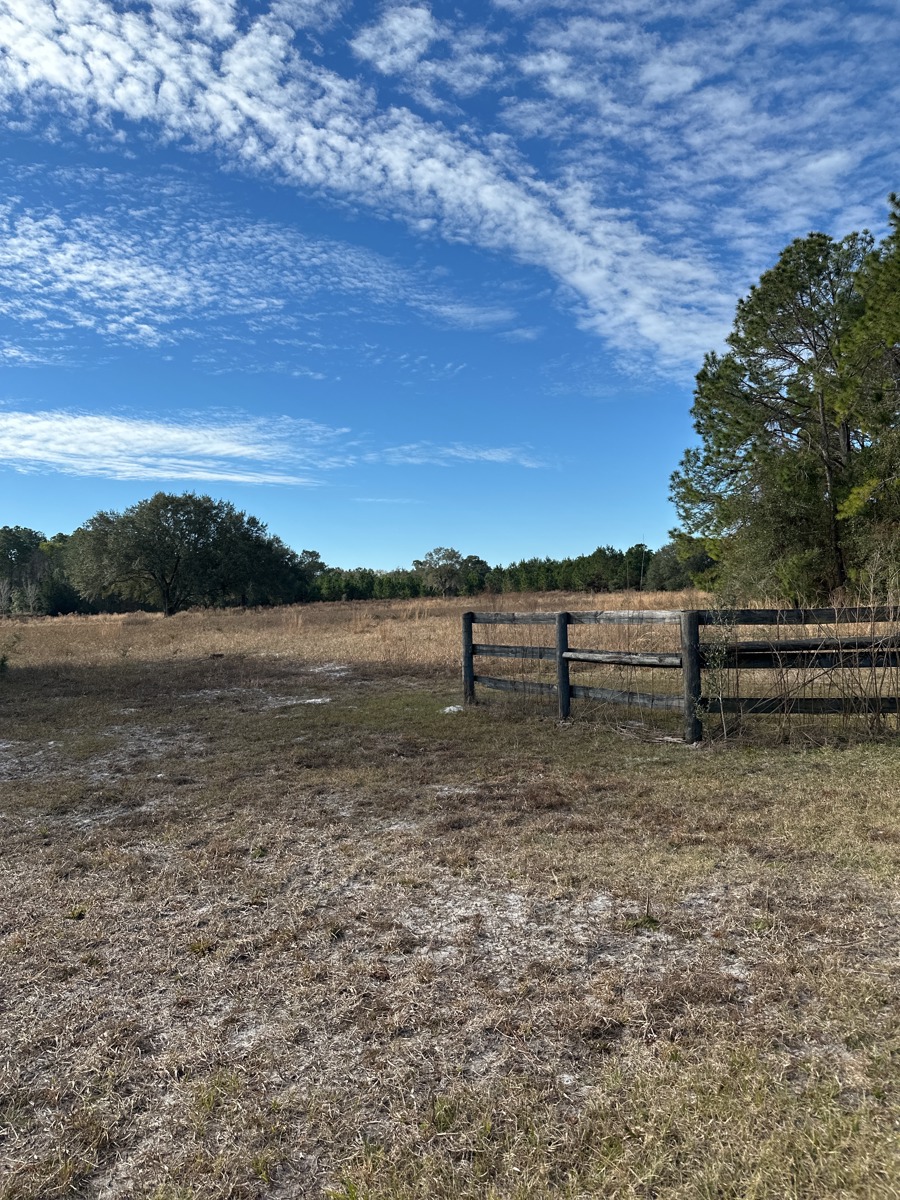
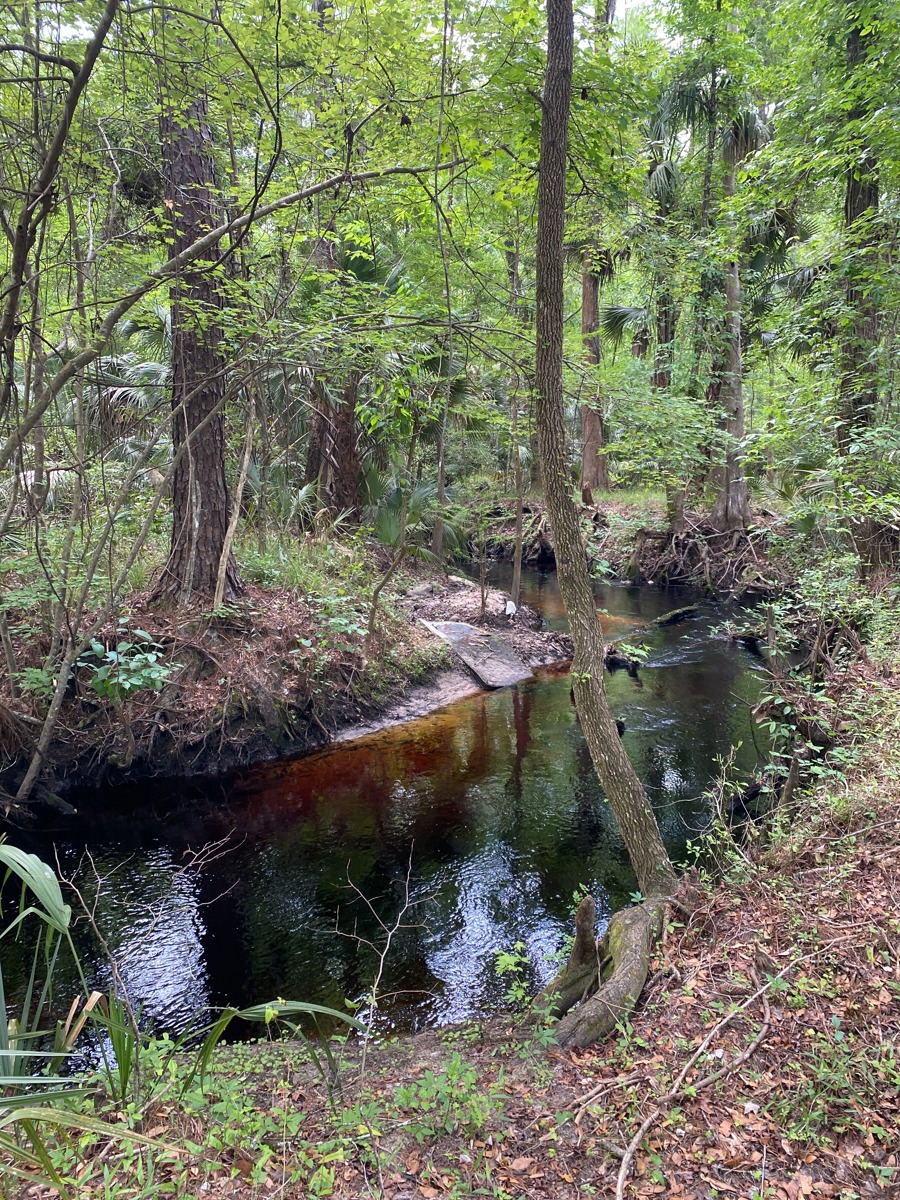
The property is incredibly important from a conservation standpoint. The preservation of the property provides natural resource protection and recreational opportunities. Comprised of four parcels of land, it is a mix of uplands, wetlands, and over two miles of creek frontage along the Little Orange and Orange Creek, which feed into the Rodman Reservoir. The land plays an important role in water quality protection, supports aquifer recharge, and is vital for landscape-scale restoration efforts in the region. Preserving this land is also critical for plants and wildlife, including the Florida black bear.
“Preserving the land and its natural state is important for us to leave for our children, grandchildren, and generations to come,” said Chuck O’Connor. “Keeping it from future development is key. Everything is growing so fast, and once the natural lands are gone, they are gone forever.”
The O’Connor family has owned property in this region for close to 100 years. O’Connor said his great-grandfather originally purchased land for turpentine and once owned approximately 15,000 acres in the area. He said he has fond memories of spending time exploring the land. O’Connor said the property also holds historic significance. It was once part of the Ocklawaha Valley Railroad, which started around 1909 and ran from Silver Springs Junction to Palatka.
The perpetual conservation easement agreement allows the O’Connor family to continue enjoying the land, including hiking, fishing, and hunting. They can also continue existing agricultural practices, maintain a small cattle operation, and build one additional residential structure and corresponding outbuildings if the buildings are outside of designated sensitive natural areas. FDEP will own, manage, and monitor the conservation easement. |
~ NFLT's Working Lunch Wednesdays
The second season of NFLT's popular Working Lunch Wednesday for members concluded on May 21 with Jody Willis from the Ixia Chapter of the Florida Native Plant Society presenting "Creating a Native Habitat for Birds and Pollinators in Your Yard." Jody walked participants through a 13-step guide to transform dead zone lawns to native plant gardens where birds and pollinators thrive. Along the journey, we learned about the dangers and impacts of invasive species in our landscapes and some proper removal techniques. From sea turtle nests and native plants to birds of northeast Florida and salt marsh resilience, this season wove together an array of themes. The common thread between all of them? It's now or never! A new Working Lunch Wednesday schedule for season three will be released this summer. If you know someone who would like to be featured in this dynamic series, please contact the development team.
~ NFLT Member Paddle at Sixmile Creek
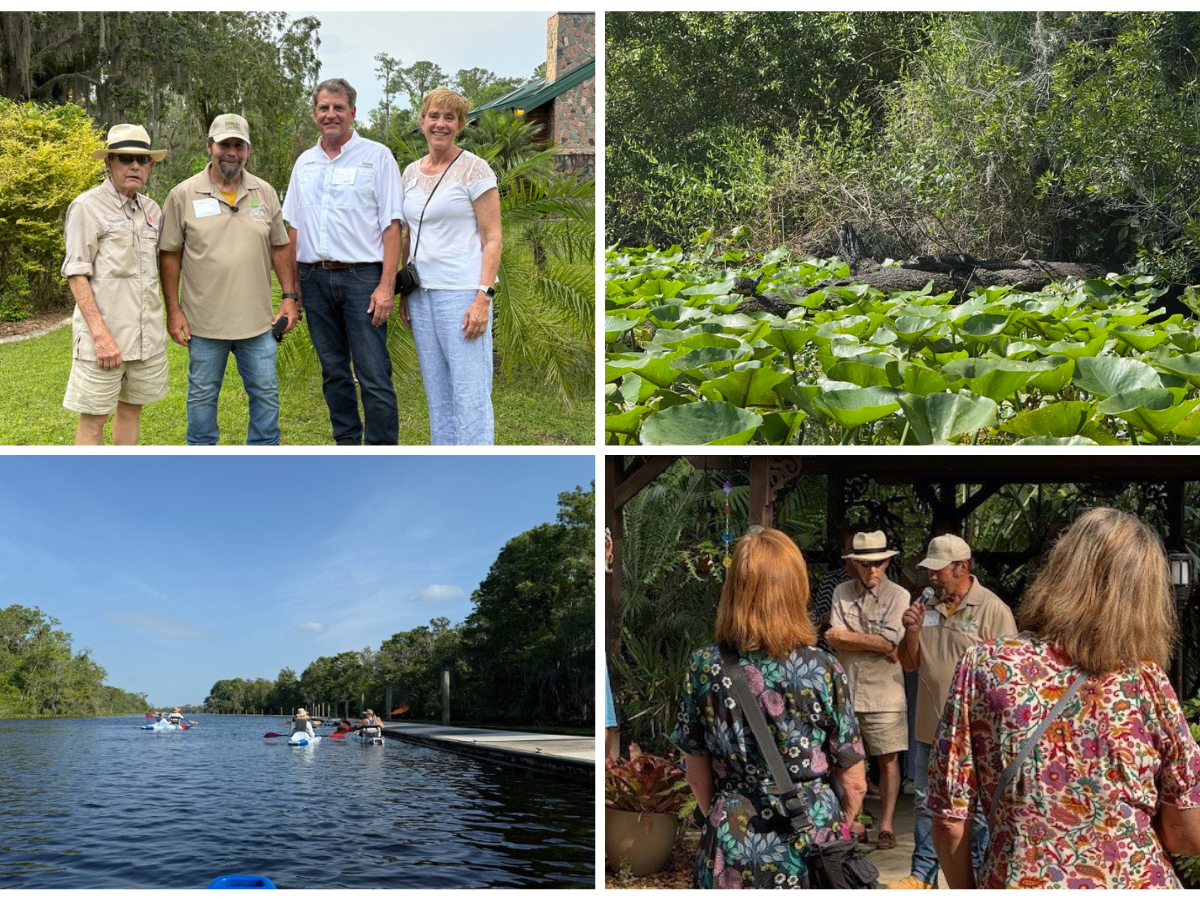
Sixmile Creek was the perfect backdrop for a summer-like morning paddle earlier this month. NFLT annual members met on the water to explore Sixmile Creek Preserve from kayaks. It seems the wildlife also got the invitation that morning and showed up (and showed off). Turtles, herons, alligators, a manatee and egrets were just a few who made friendly appearances. Chris Bebout, NFLT's Land Management Specialist, told the group about NFLT's acquisition of Sixmile Creek and shared his knowledge of the plants and animals that call the creek home. As our paddle passion grows, so does the need for more kayaks! Have some kayaks you want to donate or sell? Please reach out to Abby Carden for more information on NFLT's needs and kayak sponsorships/donations.
~ NFLT Returns to the St. John's Botanical Garden and Nature Preserve On a warm Wednesday evening in late May, the St. John's Botanical Garden and Nature Preserve (SJBG) in Hasting, Florida, hosted members and friends of NFLT for a Garden Stroll and guided tour of the botanical gardens.
Dr. John Rossi, Founder and Resident Botanist at SJBG, welcomed guests into the gardens for this unique experience. Despite the sultry Florida weather, guests enjoyed cocktails and hors d'oeuvres and learned about the inspiring botanical work of Dr. Rossi. (You can read more about Dr. Rossi and his work at SJBG here.)
A special thanks goes to Jean and Vaughn Cochran of Blackfly The Restaurant for the delicious hors d’oeuvres and wine that evening. Be sure to visit them in St. Augustine for a fantastic meal!
As nonprofit organizations, both NFLT and SJBG rely on the generosity of supporters like you. Your contributions—big or small—help us continue our missions and protect the unique and natural spaces of North Florida. |
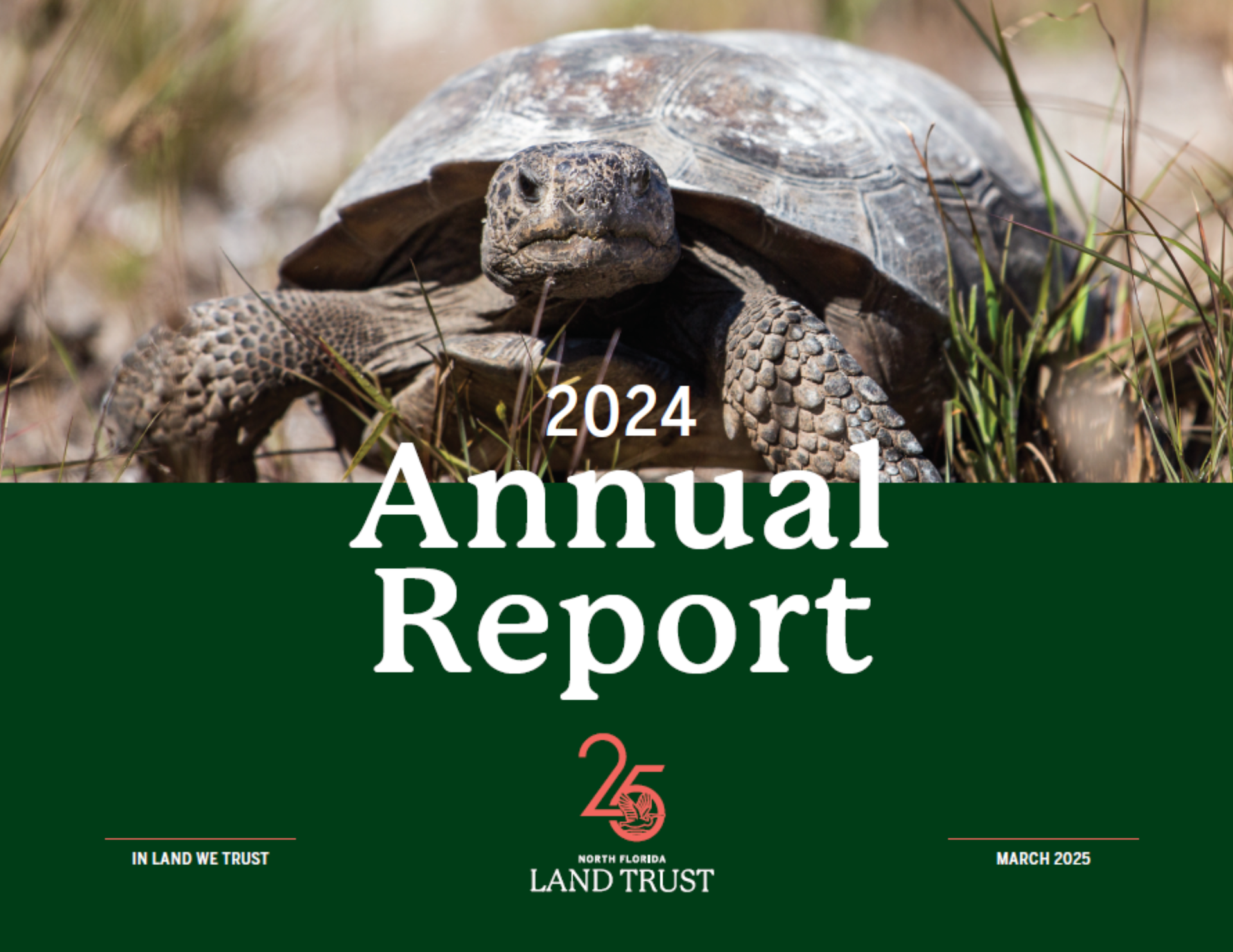
In case you missed it, the 2024 NFLT Annual Report is now linked on our website. The report contains highlights from our 25th anniversary year, stories of how people have made an impact on NFLT and conservation in North Florida, our financial report, stunning photos from our properties, and more! Click the image above to read or download your copy today. |
|
|
|