| August 20th — National Potato Day |
|
|
|
After Spanish explorers brought potatoes to Europe in the 1570s, farmers began producing starch from them. Long before potato starch became a food ingredient, it was used to starch linen and even to powder wigs. |
|
| |
|
Potato Starch: Function Meets Flexibility |
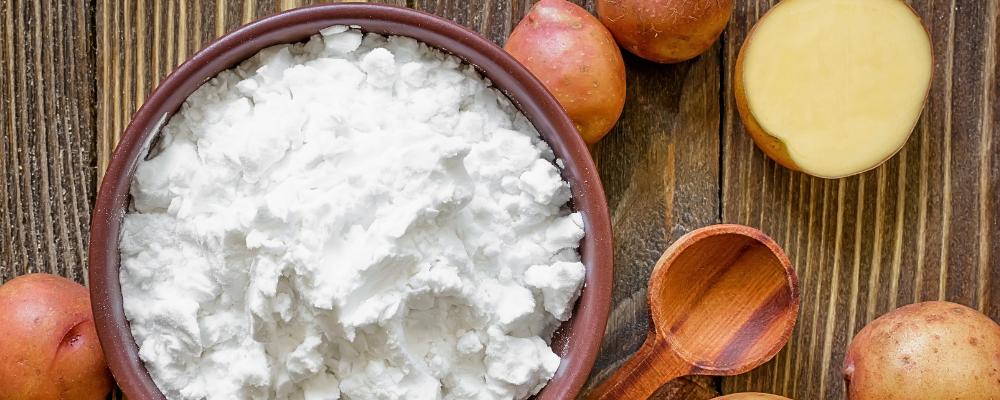
While most people may think of fries, chips, or baked potatoes, commercial bakers know the potato has plenty to offer beyond the plate. Potato starch is a fine, white powder derived from potatoes that brings valuable functionality to bakery and food systems.
Commonly used to thicken, gel, texturize, and increase crispiness in baked goods, it is valued for its: - High water-binding capacity
- Low gelatinization temperature
- Ability to form relatively clear, highly viscous pastes
Compared with some other starches, potato starch offers excellent film-forming capabilities, high binding power, neutral flavor, and a higher degree of swelling than cereal starches.
In commercial applications, potato starch and modified potato starch can be used as cold thickeners in pies and pastry fillings, as well as in confections, glazing, toppings, and extended refrigeration formulations such as ready-to-eat pies and meals. It is also used in gluten-free baking, including sourdough breads and cookies.
In some formulations, replacing a portion of wheat flour with potato starch can improve waffle texture, stability, and release properties, while amylopectin-rich potato starch may help improve anti-staling properties in gluten-free bread.
Learn more about uses for this ingredient on our BAKERpedia article.
|
|
|
|
Turn Machine Data Into Less Downtime |
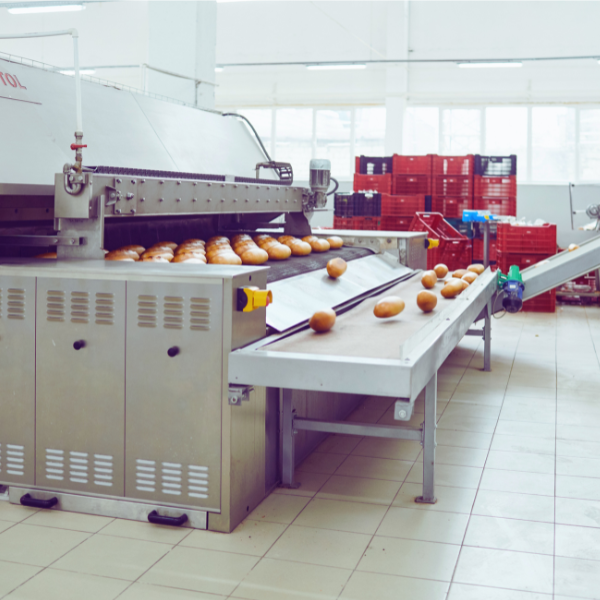
Discover how advances in machine controls, sensors, connectivity, and data analytics are transforming equipment diagnostics and helping manufacturers reduce downtime.
This on-demand technical presentation from BakingTECH explores the basics of sensor data and how to focus on the information that can provide the greatest value. Learn how these tools can help identify wear and tear, anticipate potential failures, and ultimately keep equipment running more efficiently. Speakers: Gerald Holt
Webinar length: 60 minutes Cost: Free for Members |
|
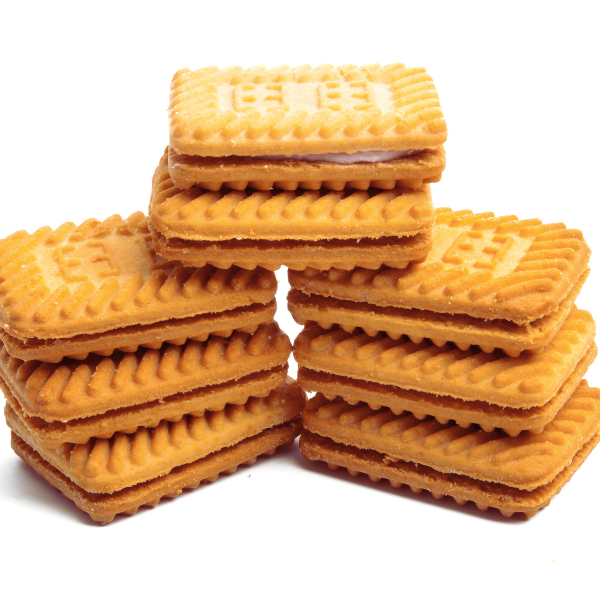
Learn the key steps, equipment, and quality considerations behind producing consistent sandwich cookies. This 3-hour course walks through the complete sandwiching process, from pre-operation checks and crème preparation to base-cake cooling, product transfer, equipment setup, and packaging.
Designed for those responsible for sandwich cookie production, it also provides valuable insight into a process traditionally learned through hands-on experience. Certificate: Upon passing final tests Course length: 3 hours Cost: $250 for Members / $300 Non-Members |
|
|
Q: What is the maximum recommended protein in a bread formulation? |
That's a question we hear often, and there is no set maximum. You obviously cannot make a bread that is entirely protein, because at the end of the day it would no longer be a bread product.
A good rule of thumb is to work backward from the claim you want to make. Claims are based on PDCAAS, so you calculate from your serving size along with protein quantity and quality. The Daily Value for protein is 50 grams, so a "good source" requires 10% of that—a minimum of 5 grams of complete protein per serving—and an "excellent source" requires 20%, or 10 grams.
I would set that minimum threshold and then push slightly beyond it. If 5 grams gets me a good source, I would bump it to 7 or 8 and see if it holds, or start at 10 grams for an excellent source and come down if that doesn't work. Five to ten grams is the range I am usually working within.
The product type matters just as much. A pan bread, a burger bun, a hoagie, a flatbread, and a tortilla will all differ a lot. Achieving high protein in a very fluffy pan bread is far more challenging than in a tortilla, because added protein and fiber disrupt the gluten matrix and therefore the volume. Volume is what you need in a pan bread, but maybe not in a tortilla. |
|
|
|
Webinar: Resistant Starch in Baking |
What distinguishes one resistant starch from another, and what does that mean for commercial bakery products? Join Rhonda Witwer for a technical session connecting published metabolic-health research with practical bakery applications. Explore ingredient options, high-amylose wheat flour, water absorption, dough machinability, finished-product quality, and responsible product positioning.
August 20 | 11:00 AM ET Register Today |
|
|
|
Grain, Growth & Opportunity |
From farm to bakery, brewery, and beyond, discover how stronger grain systems can strengthen the Southeast. Join farmers, millers, bakers, researchers, and industry leaders Sept. 13–14 at the Southeastern Grain Gathering to explore the connections shaping a more resilient future for grain, businesses, and rural communities.
Learn More & Register |
|
|
|
American Society of Baking | 4231 W 96th Street, Indianapolis, IN 46268
Was this email forwarded to you? Subscribe and never miss an update! |
|
|
|