The ABCA is excited to officially launch the online portion of the Coaches Hub, building on the coaching education content and resources that have been delivered through the Coaches Hub email since April.
Our goal is simple: More Resources. Better Education. Better Baseball. The Coaches Hub website serves as a central destination where coaches can explore the three pillars of the Coaches Hub—Coaching Resources, Parent Resources, and Athlete Development & Wellness—in greater depth. In addition to accessing past Coaches Hub email content, you'll find additional videos designed to help you develop your players, strengthen your program, and create a better baseball experience.
To get started, simply click the banner at the top of this email or click the Coaches Hub to explore the growing library of content available to you. While you'll find the latest Coaches Hub features and resources in one convenient location, this launch represents just Phase 1 of the Coaches Hub, with many more tools, resources, and educational opportunities planned for the future.
We encourage you to share the Coaches Hub with fellow coaches, parents and baseball organizations so more people can benefit from these educational resources. Thank you for being part of the ABCA community. We look forward to helping you continue to learn, grow, and impact the game. |
|
|
|
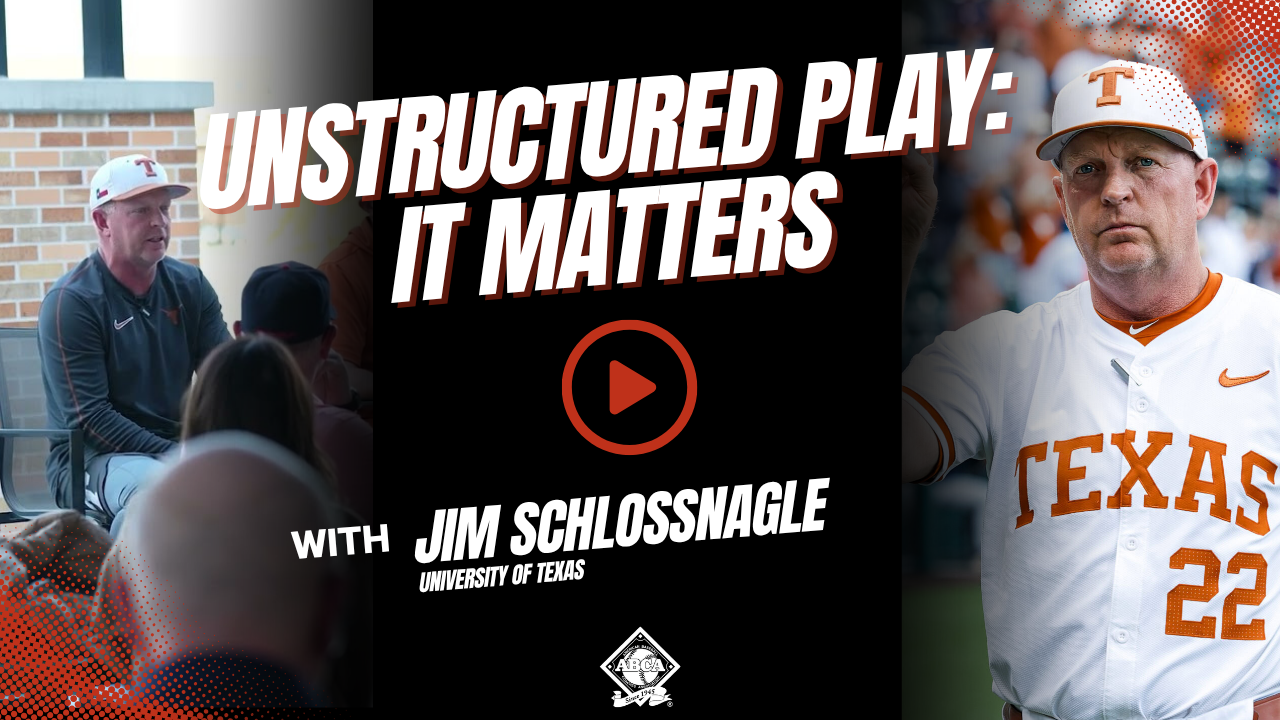
Jim Schlossnagle, University of Texas Head Coach, emphasizes Augie Garrido’s idea that youth baseball has too much organized competition and not enough unstructured play. While games and practice matter, free play helps athletes develop creativity, problem-solving, and game instincts. "Disorganized” play is essential for long-term player development and deeper understanding of the game. Video Run Time: 1:27 |
|
|
|
Athlete Development & Wellness |
|
|
|
|
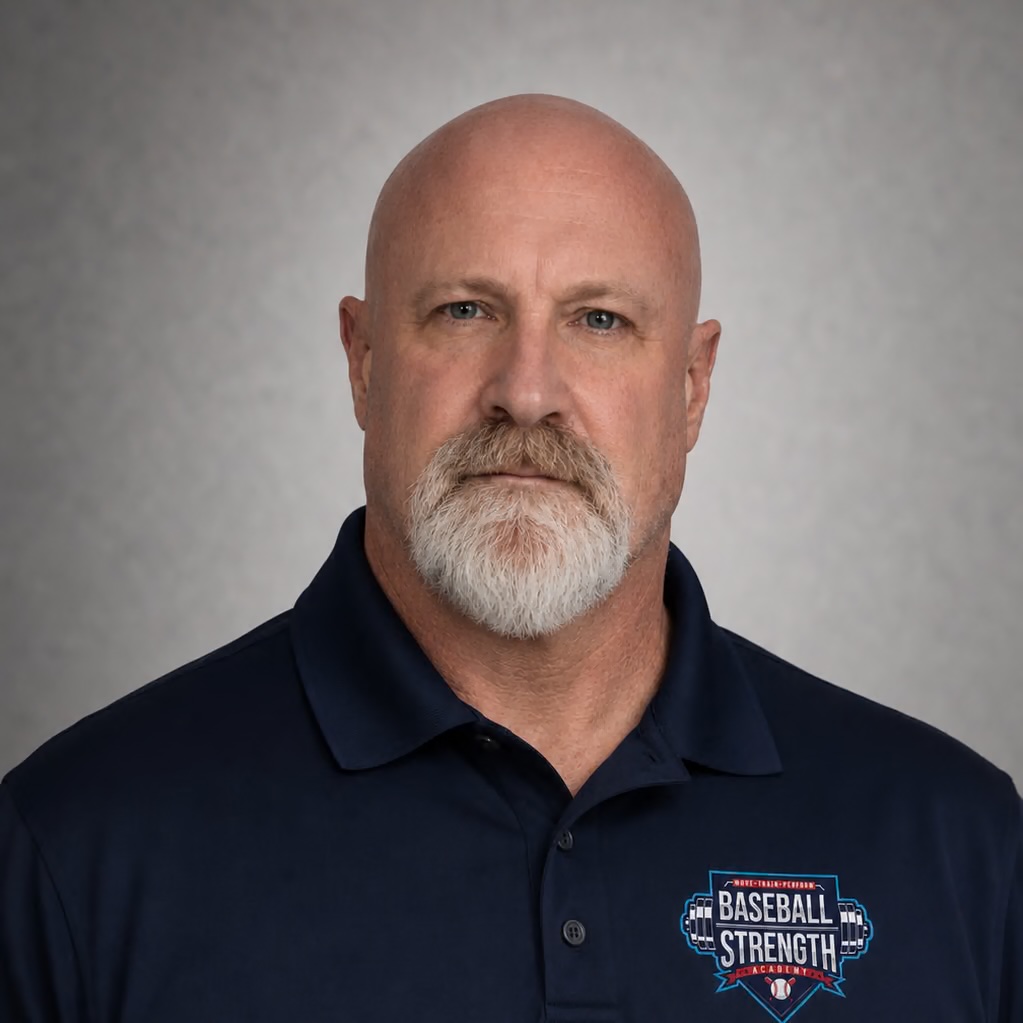
Bodybuilding focuses primarily on muscle size and appearance. Sport performance training focuses on movement quality, strength, power, speed, and injury resistance. For baseball players, the goal is not just to “look strong,” but to build athletic qualities that improve throwing, hitting, sprinting, and long-term durability. –– Jim Malone, Strength & Conditioning Consultant to MLB
|
|
|
|
Slow Before Fast: Skill Development Must Come First |
|
|
|
In nearly every discipline, athletes learn slowly before performing fast. Dancers, musicians, gymnasts, and skaters master movement through controlled repetition before increasing speed. Baseball development should follow the same path. Teach hitters to create consistent contact and ideal ball flight at lower exit velocities first. Crawl. Walk. Run. If you can’t do it slowly, you can’t truly own it.
— Tommy Weber, St. John's University & Baseball Authority |
|
| |
|
How Parents Shape Young Athletes |
|
|
|
|
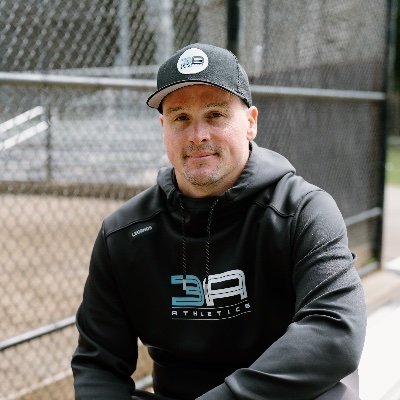
Supporting a child’s mental health starts with consistent check-ins and honest conversations. It's important to normalize all emotions—not just happiness—and remember that kids learn by example. By managing your own emotions and avoiding the pressure of perfection, parents can create a healthier, more supportive environment for growth. –– Travis Snider, 3A Athletics & Former MLB Player |
|
|
|
What recovery habits matter after playing in games and tournaments? |
|
|
|
Join the conversation and share your thoughts in the My ABCA app Forums!
The My ABCA app is a free resource. Download the app free from the Apple App Store or Google Play Store.
Once downloaded, log in with your free ABCA account, tap “More,” then select “Forums,” and dive into the "Coaches Hub: Question of the Week" discussion to be a part of this and other conversations. You don't need to be an ABCA member to participate! Check out the answers to last week's question in the forum: What should youth baseball stop doing immediately? |
|
|
|
Do you know someone who would like to receive this email each week? If so, forward it to them! If this email was forwarded to you, click below to subscribe! |
|
|
|
Download the My ABCA mobile app! |
|
|
|
American Baseball Coaches Association 4101 Piedmont Parkway Greensboro, NC 27410
www.ABCA.org | (336) 821-3140 |
|
|
|
|