The Colorado Medical Society is proud to deliver exclusive news to the inbox of CMS members and additional partners. Update your subscription preferences by contacting [email protected]
|
|
|
|
The 2026 Legislative Session has concluded |
The 2026 legislative session officially came to a close on May 13, marking the end of another long and active stretch at the Capitol. As lawmakers adjourned sine die, the Colorado Medical Society wrapped up months of advocacy work across dozens of bills affecting physicians, patients, and the practice of medicine in Colorado.
During the 2026 Session your medical society tracked 51 bills and took positions on 36 of them. Read an overview below and watch for more in-depth coverage in the next issue of Colorado Medicine magazine. |
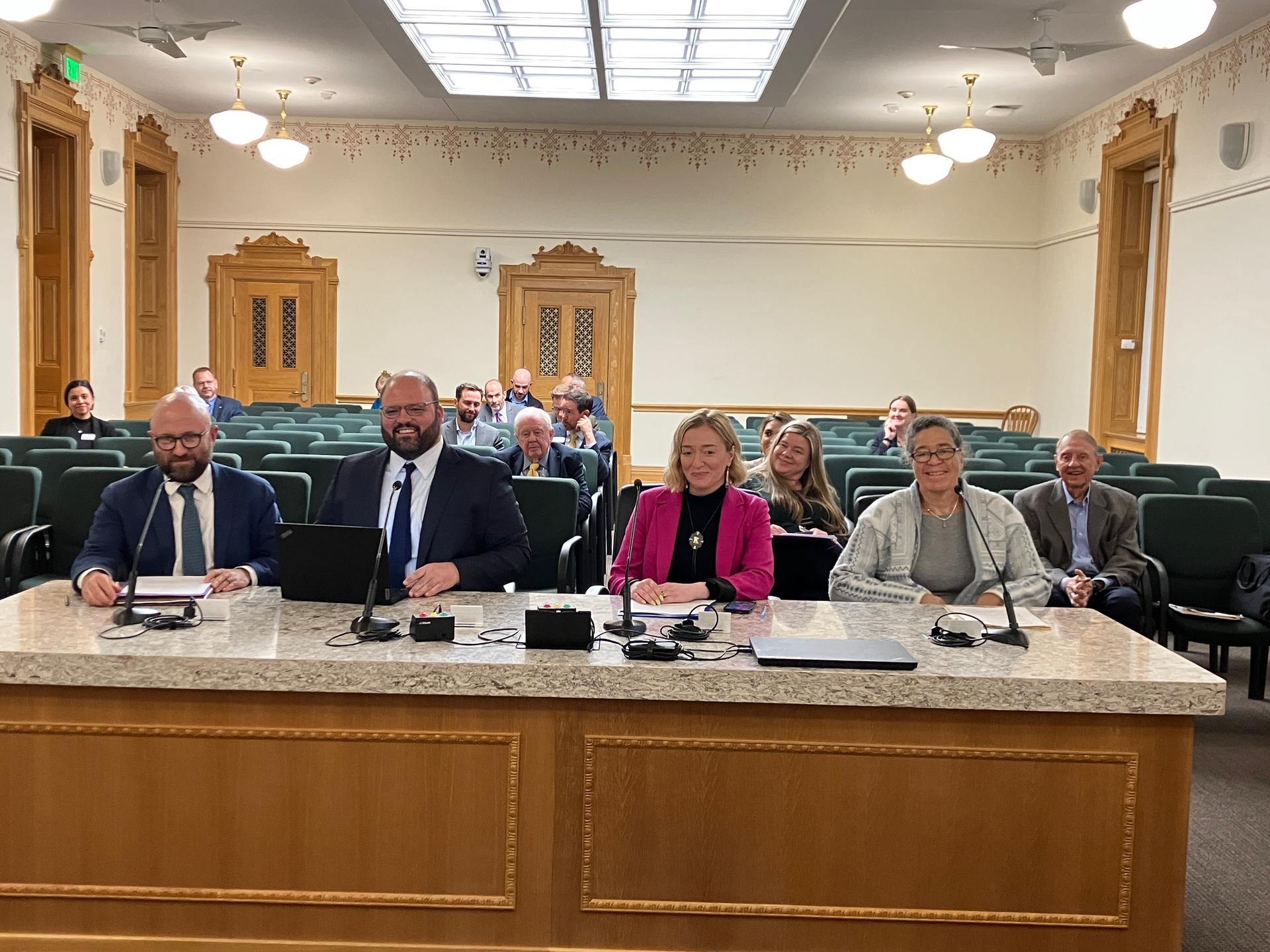
CMS President Brigitta Robinson, MD, FACS, testifying (far right) |
Medical Practice Act and the Division of Professions and Occupations Passed their Sunsets |
This year’s sunset reviews of the Medical Practice Act and the Division of Professions and Occupations (DPO) were about more than routine statute renewal. They became a critical test of whether Colorado would preserve physician-led regulation, due process protections, and rigorous licensure standards—or quietly weaken them. Thanks to sustained advocacy, physicians prevailed on all fronts.
Medical Practice Act – HB1307 During the sunset of the Medical Practice Act, several proposals emerged that would have fundamentally altered how physicians are regulated in Colorado.
CMS secured several critical protections during the Medical Practice Act sunset, including blocking an effort to dilute physician representation on the Colorado Medical Board. Advocacy also ensured physicians cannot lose fundamental rights due to a technical glitch by requiring written notice if emailed complaint notifications are not confirmed. Finally, CMS defeated a proposal that would have allowed the Board to take action against a physician’s license based on a complaint alone—before any investigation or formal charges—preserving both due process and patient safety.
|
Division of Professions and Occupations – HB1324 Equally significant were the outcomes of the DPO sunset, where multiple recommendations would have weakened physician self-regulation and patient safety.
CMS obtained key protections during the Division of Professions and Occupations sunset by blocking proposals that would have weakened physician oversight and licensure standards. Advocacy preserved longstanding confidentiality protections in peer assistance programs by preventing DPO from controlling provider selection, stopped efforts to shift disciplinary decisions—including license revocations—to administrative staff, and defeated a proposal that would have allowed physicians to be licensed in Colorado without completing established, nationally and internationally vetted credentialing processes. Building on that work, CMS also secured key amendments to HB1431, opting health professions out of licensure portability provisions that would have circumvented existing competency requirements, helping ensure patient safety.
|
State Budget: Medicaid Pressures Shape the Session |
Colorado lawmakers closed a $1.5 billion budget shortfall this year, following last year’s effort to address a $2 billion deficit. Medicaid dominated the debate, now accounting for 37% of the state’s operating budget—surpassing education—and projected to grow by 14.9% next year.
During the session, Medicaid came under increasing scrutiny. Lawmakers cited 101% spending growth from 2015-2025, despite just 3.1% enrollment growth over the same period, alongside reports of mismanagement and fraud. That pressure ultimately led to new leadership at the Department of Health Care Policy and Financing.
Compounding state budget challenges, Colorado is projected to lose $10.4 billion in federal Medicaid funding by 2032 under H.R. 1, largely due to reductions in the federal match tied to hospital provider fees and new eligibility requirements, including work mandates and more frequent recertification. Physicians should expect more uninsured patients and increased coverage churn as a result.
The legislature: |
-
Rejected Gov. Polis’ proposed 5.4% Medicaid growth cap and alternative 3.9% provider rate cut
- Approved a 2% across-the-board provider rate cut
- Reduced Medicaid payments above 85% of Medicare down to that level
|
These cuts come on an already eroded payment baseline, with anesthesiology and radiology continue to be among the hardest-hit specialties. Lawmakers did exempt NICU and obstetric care from some reductions. Finally, legislators created a Medicaid Commission (SB187) to study program growth and sustainability over the interim and report recommendations back to the General Assembly. Bottom line: Medicaid cost containment remains a priority, and the effects lower rates, fewer federal dollars, and more uninsured patients will continue to be felt in physician practices statewide. |
Artificial Intelligence: Narrowing the Rules Without Blocking Progress |
Artificial intelligence remained a hot‑button issue at the Capitol as lawmakers worked to rein in emerging technology while avoiding unintended consequences for health care. Several bills advanced this session, with physician advocacy focused on fixing flaws in prior law, protecting patient safety, and preserving space for responsible innovation.
The most significant measure, SB189, fixed problems created by the state’s 2024 AI law by clarifying how automated decision‑making tools are regulated. Physicians secured a critical HIPAA exemption, ensuring federal privacy protections continue to govern clinical uses of AI. While concerns remain about the bill’s three‑year limit on the right to cure, broader changes were necessary to prevent over-broad consumer‑protection rules from sweeping in legitimate health care applications.
Additional bills addressed specific uses of AI. HB1139 focused on artificial intelligence in health care, while HB1195 restricted AI in psychotherapy services but explicitly exempted physicians. Advocacy ensured amendments preserved the ability to deliver high‑quality mental and behavioral health care with appropriate transparency. HB1263, regulating conversational AI tools, moved forward with HIPAA exemptions and strengthened safety requirements for consumer‑facing platforms. Together, these efforts helped steer AI policy toward thoughtful guardrails—not blunt restrictions that could undermine patient care.
|
Protecting Physician-Led Care |
-
HB1231, which would have allowed physical therapists to perform sports physicals, was defeated.
-
Despite close collaboration with AAP‑CO to mitigate patient safety concerns, HB1336, expanding access to pharmacy services, ultimately passed. AAP-CO and CMS did not get everything we wanted on the bill, but were able to amend it significantly to: ensure that pharmacists still have an age floor for test & treat (age 5); require pharmacists to refer patients under 18 they test & treat back to their primary care physician; and limit the conditions to flu, COVID, RSV and strep.
|
Other Key Legislative Actions from 2026 |
-
HB1414 – Medical Record Requests: Secured key amendments to ensure materials remain undiscoverable through medical record requests.
- Compounding Medications:
-
HB1262 – Patient Access to Compounded Medical Items: Passed with CMS support to align Colorado law with federal standards and protect essential compounding practices relied on by physicians, hospitals, and patients.
- SB066 – Regulation of Compounded Weight‑Loss Medications: Defeated after opposition to expanding physician exposure to Consumer Protection Act civil litigation.
-
Medical Spas:
- HB1249 – Medical‑Aesthetics Corporation Ownership: Defeated; would have undermined the corporate practice of medicine by allowing non‑physician ownership, with significant downstream liability implications.
-
SB130 – Medical Spas Deceptive Trade Practices: Pulled by sponsors and opposed by CMS due to concerns about replacing existing enforcement with expanded civil litigation under the Consumer Protection Act.
|
*Bills already covered in previous PolicyPulse newsletters will be covered again in Colorado Medicine. |
|
|
|
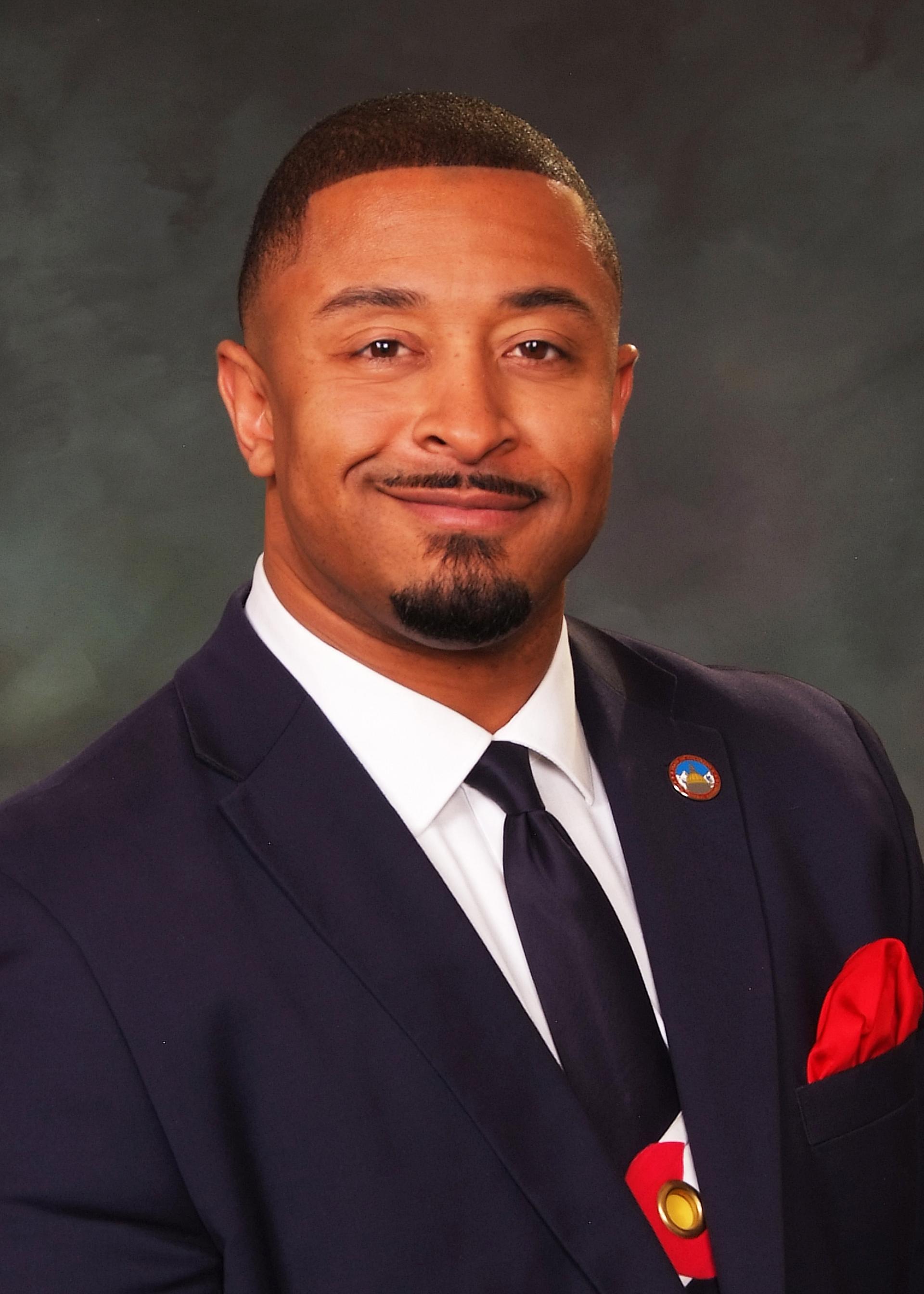
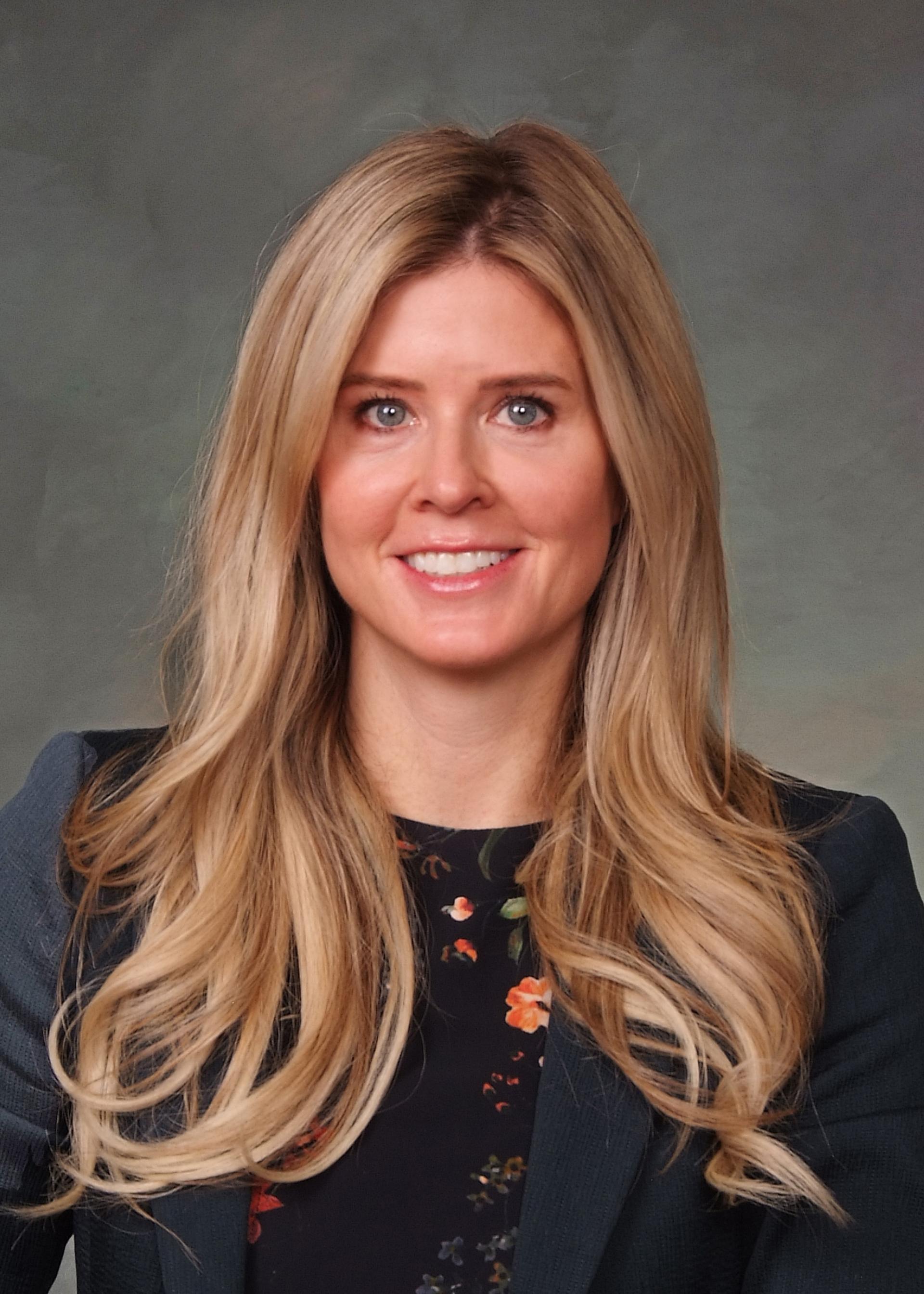
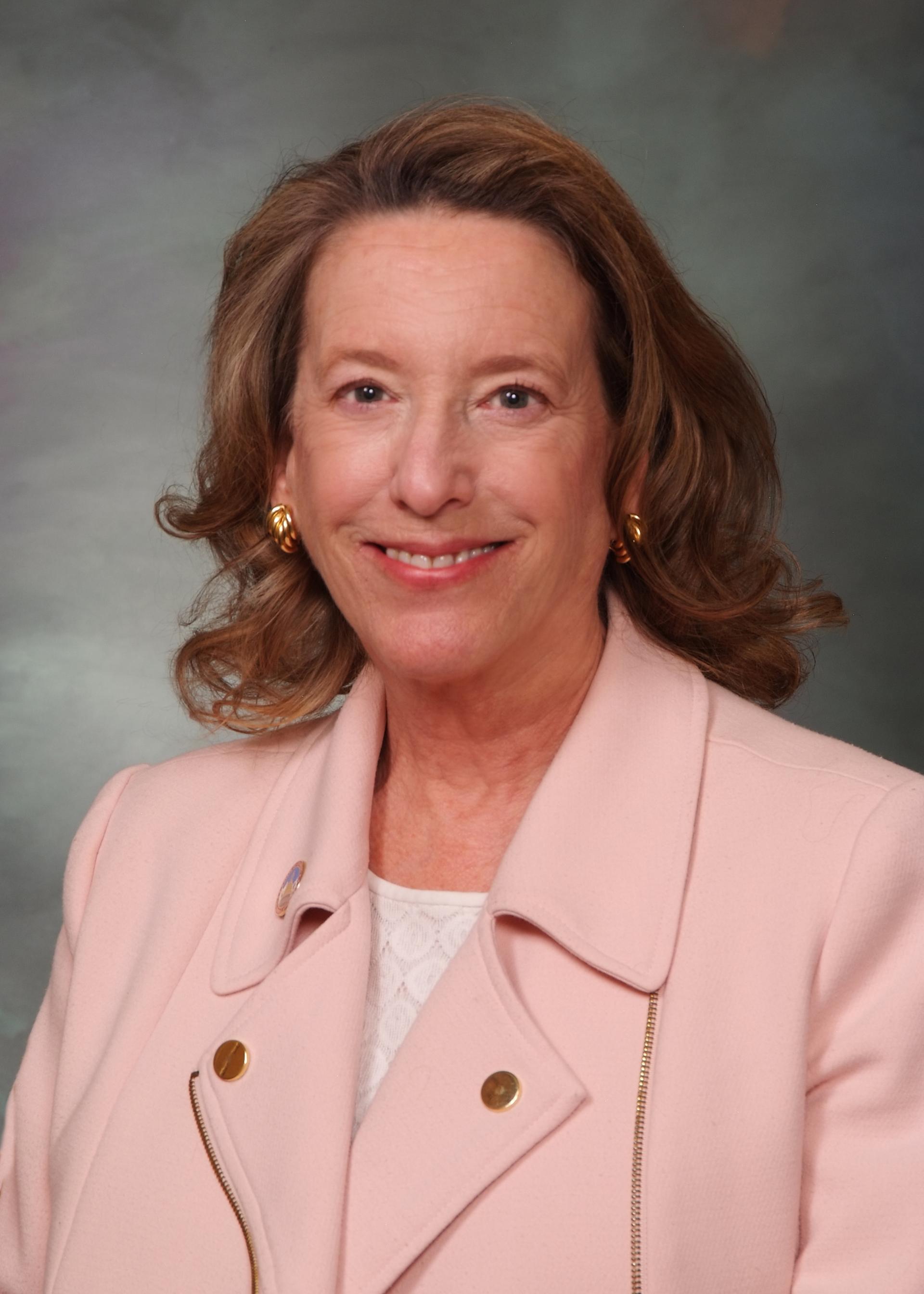
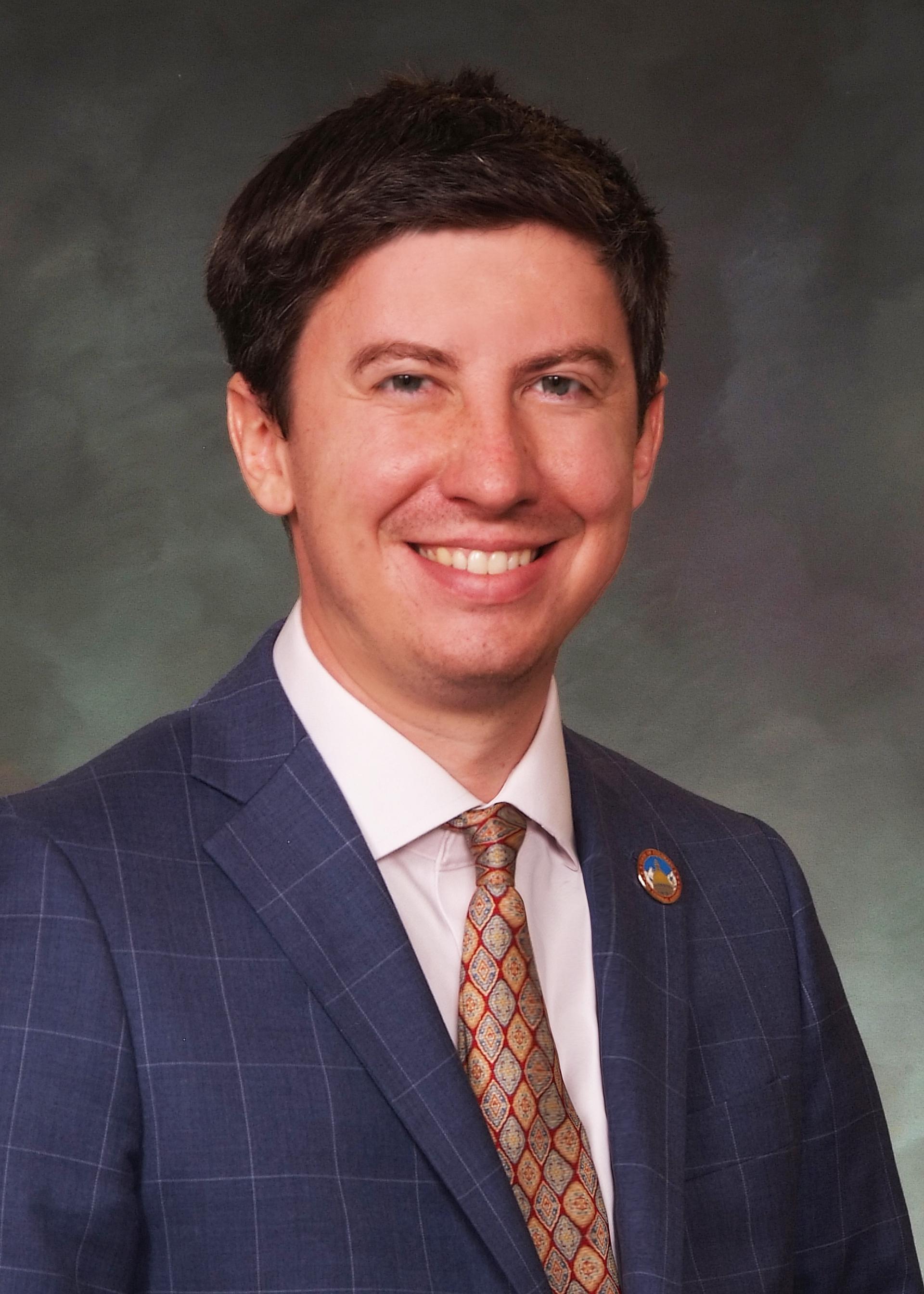
Champions of Medicine Award Recipients |
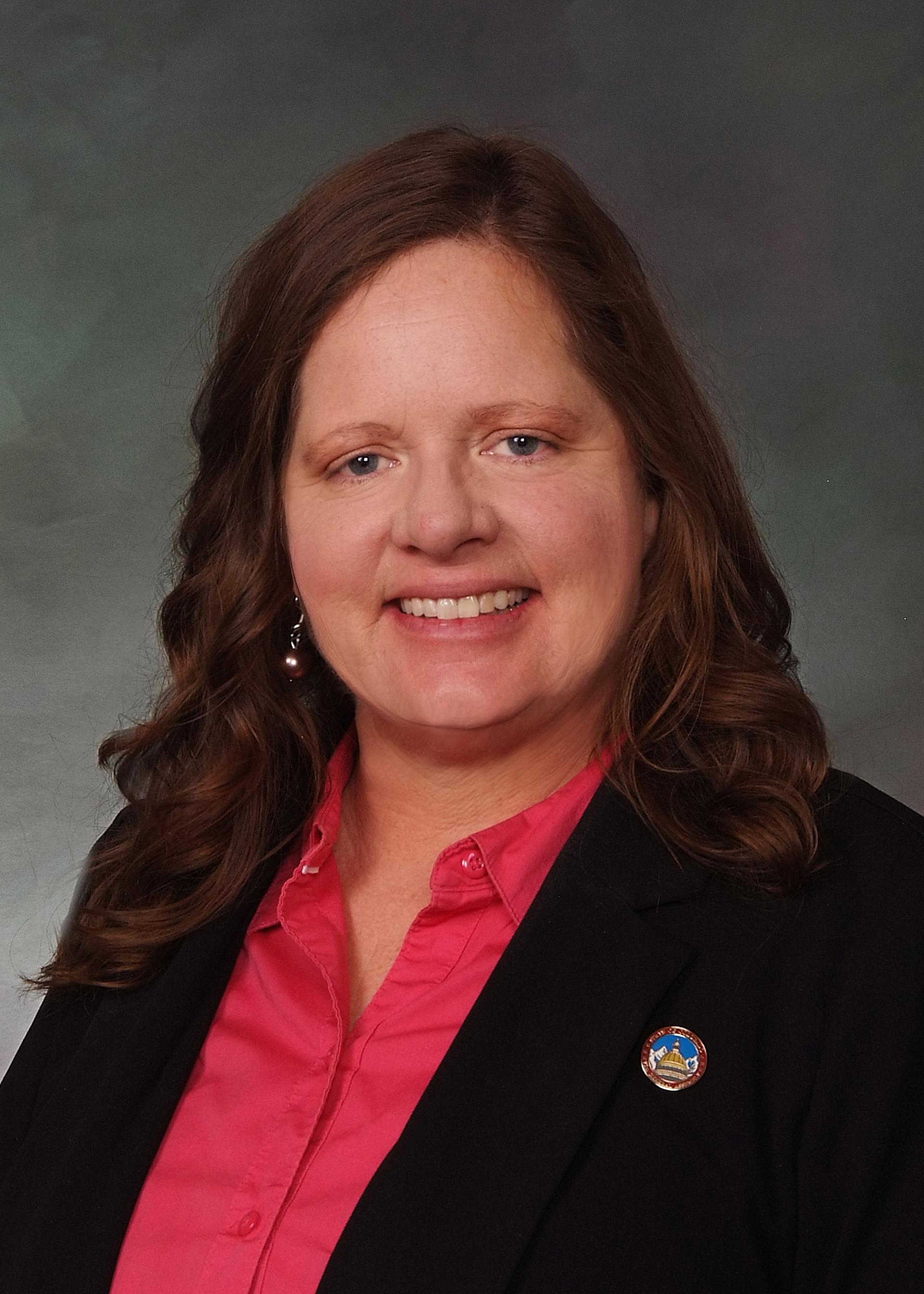
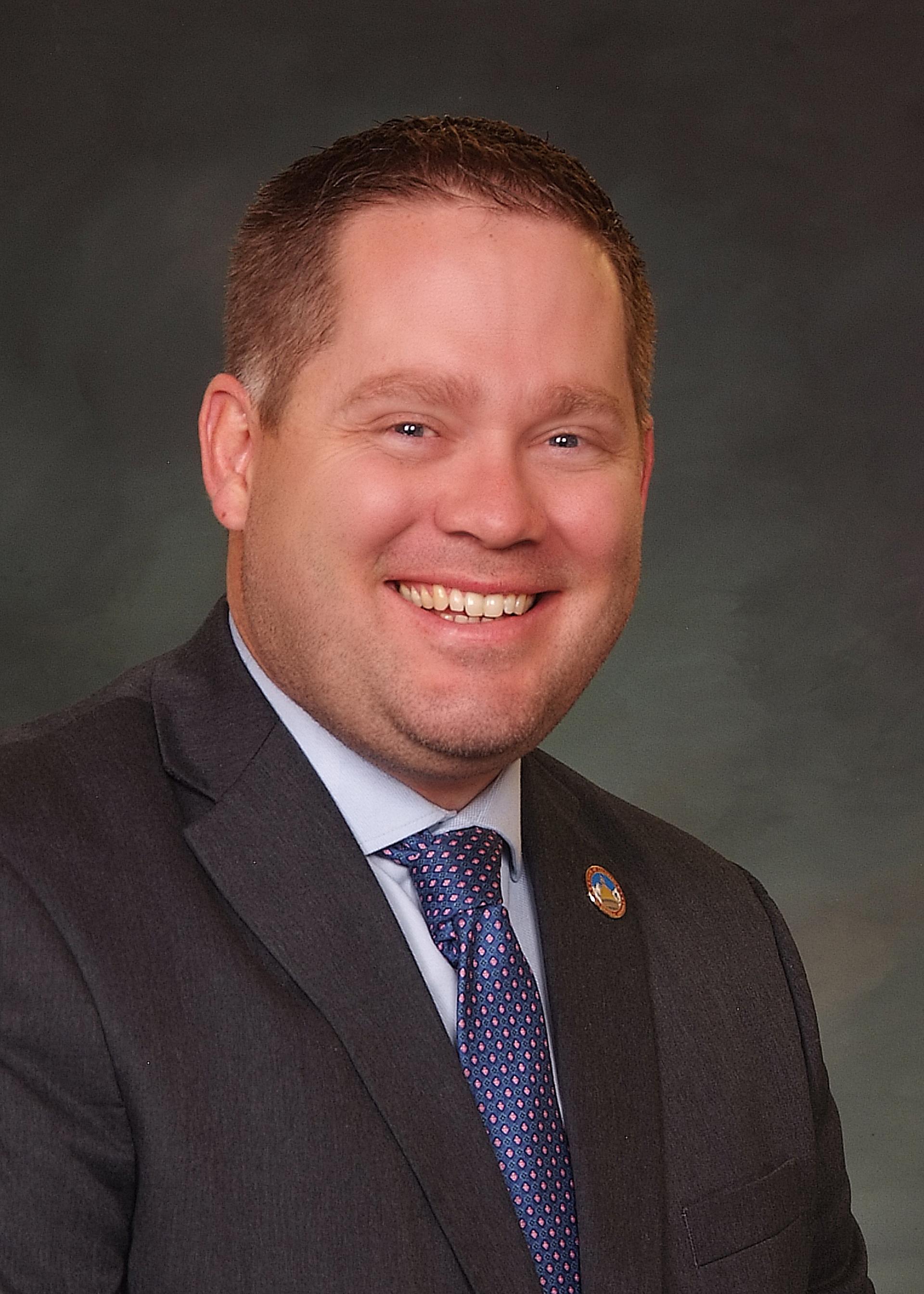
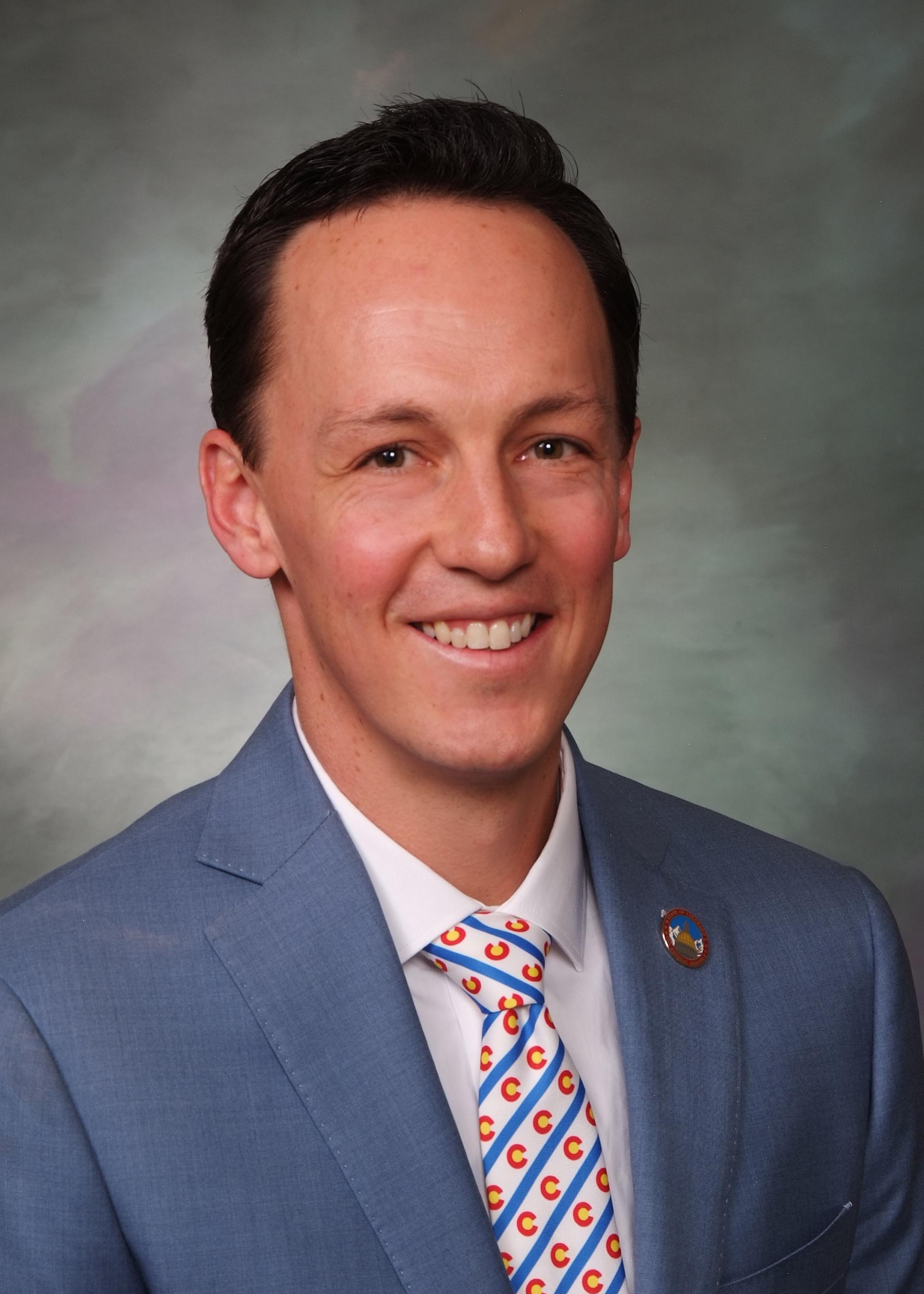
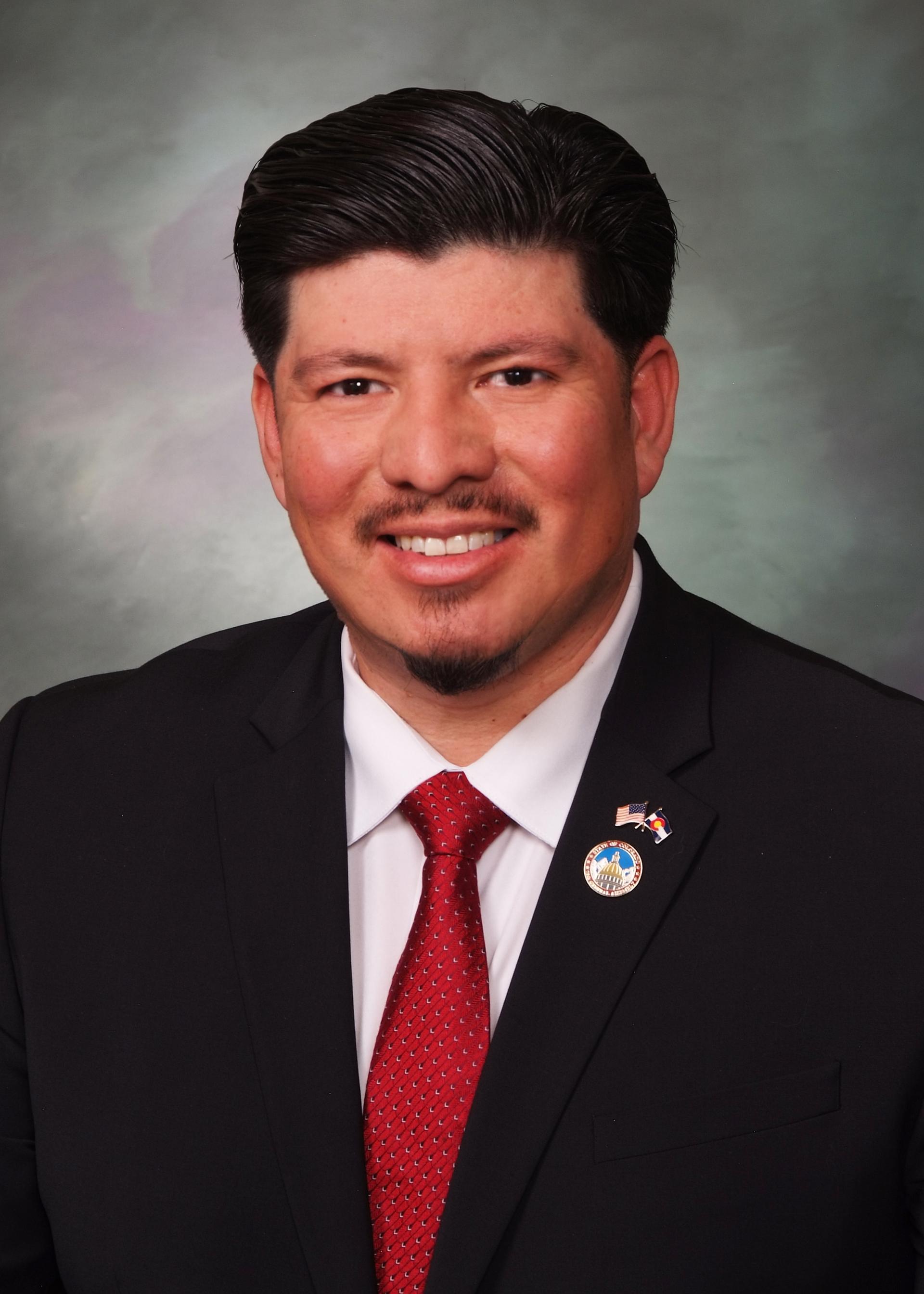
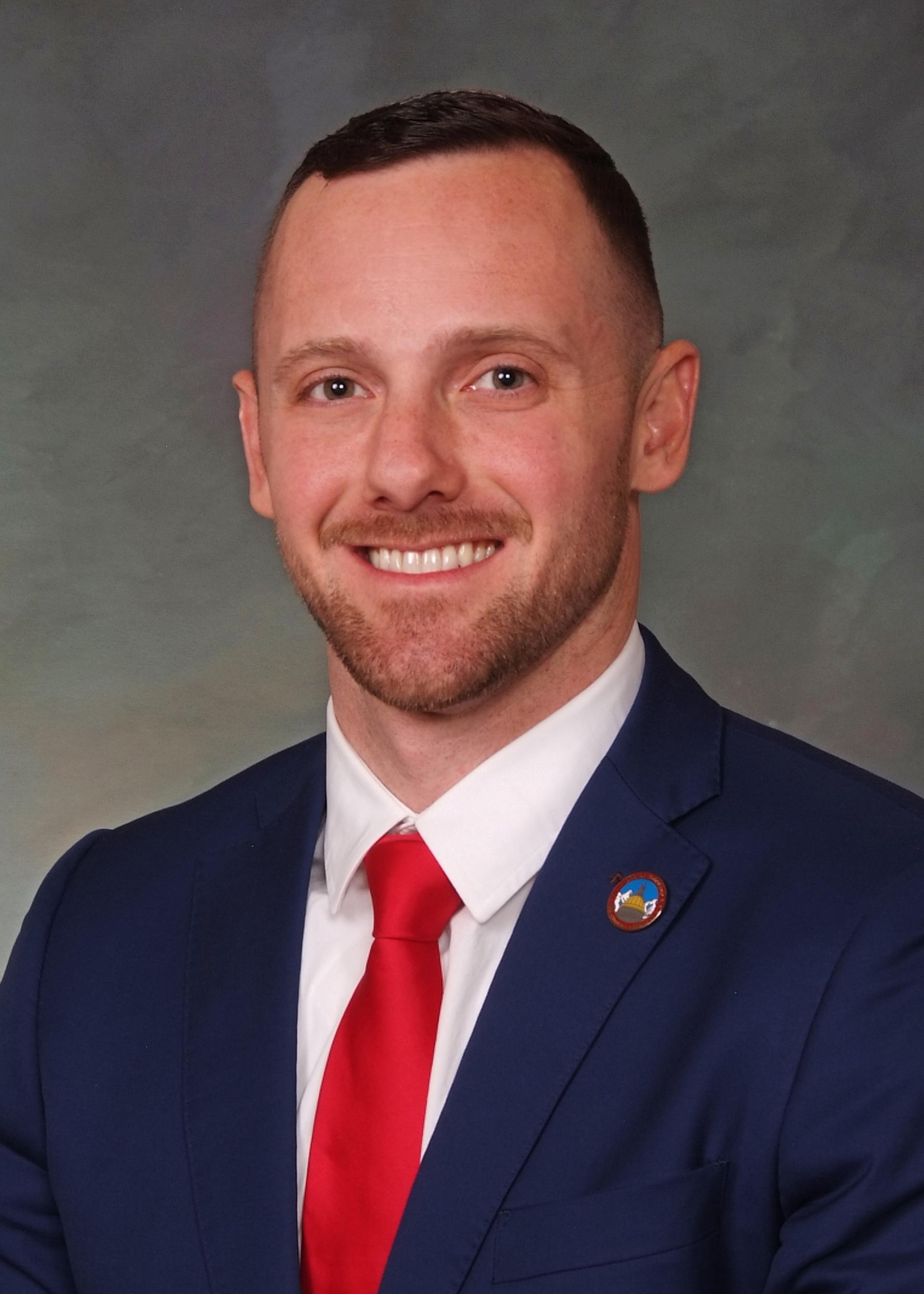
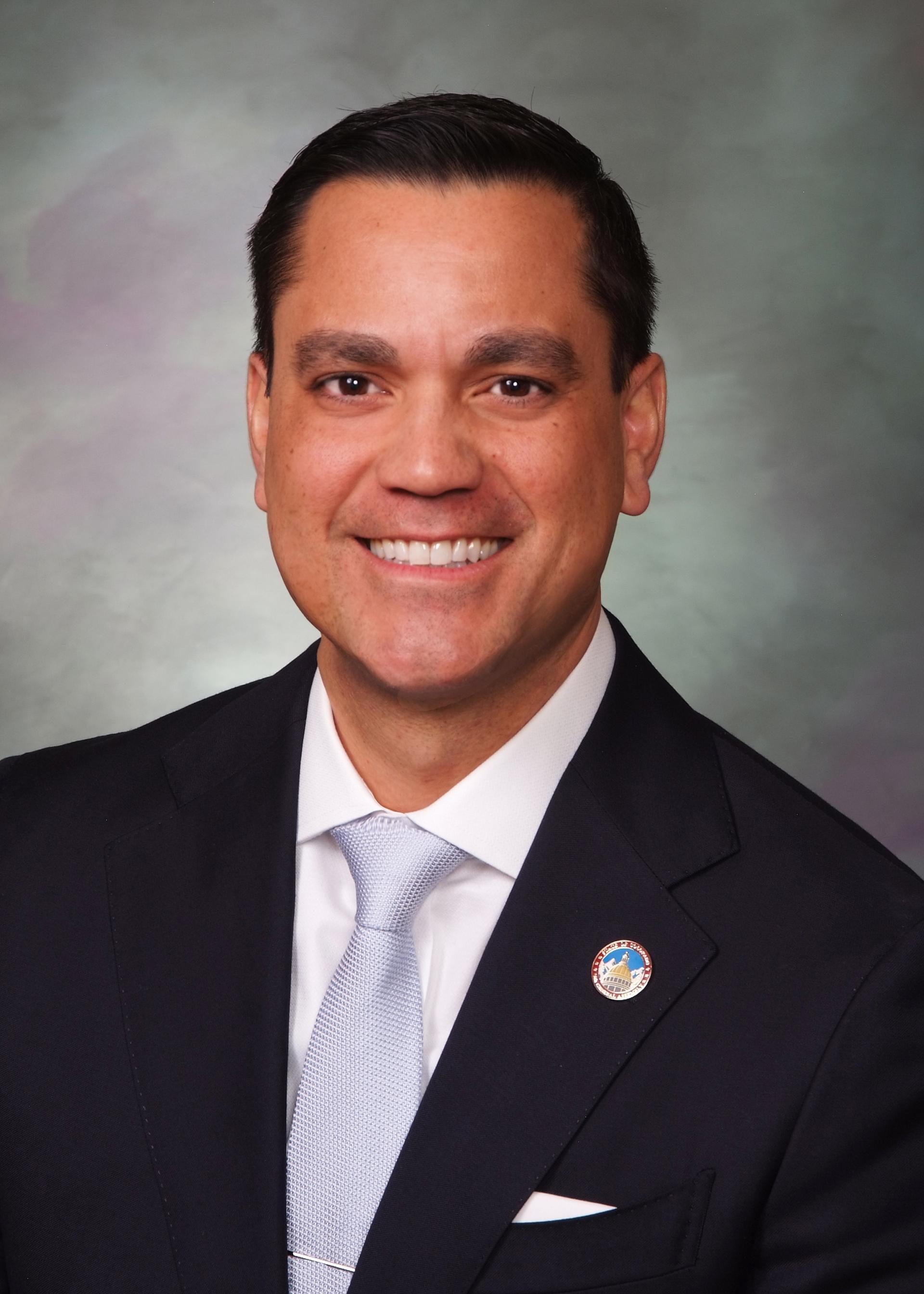
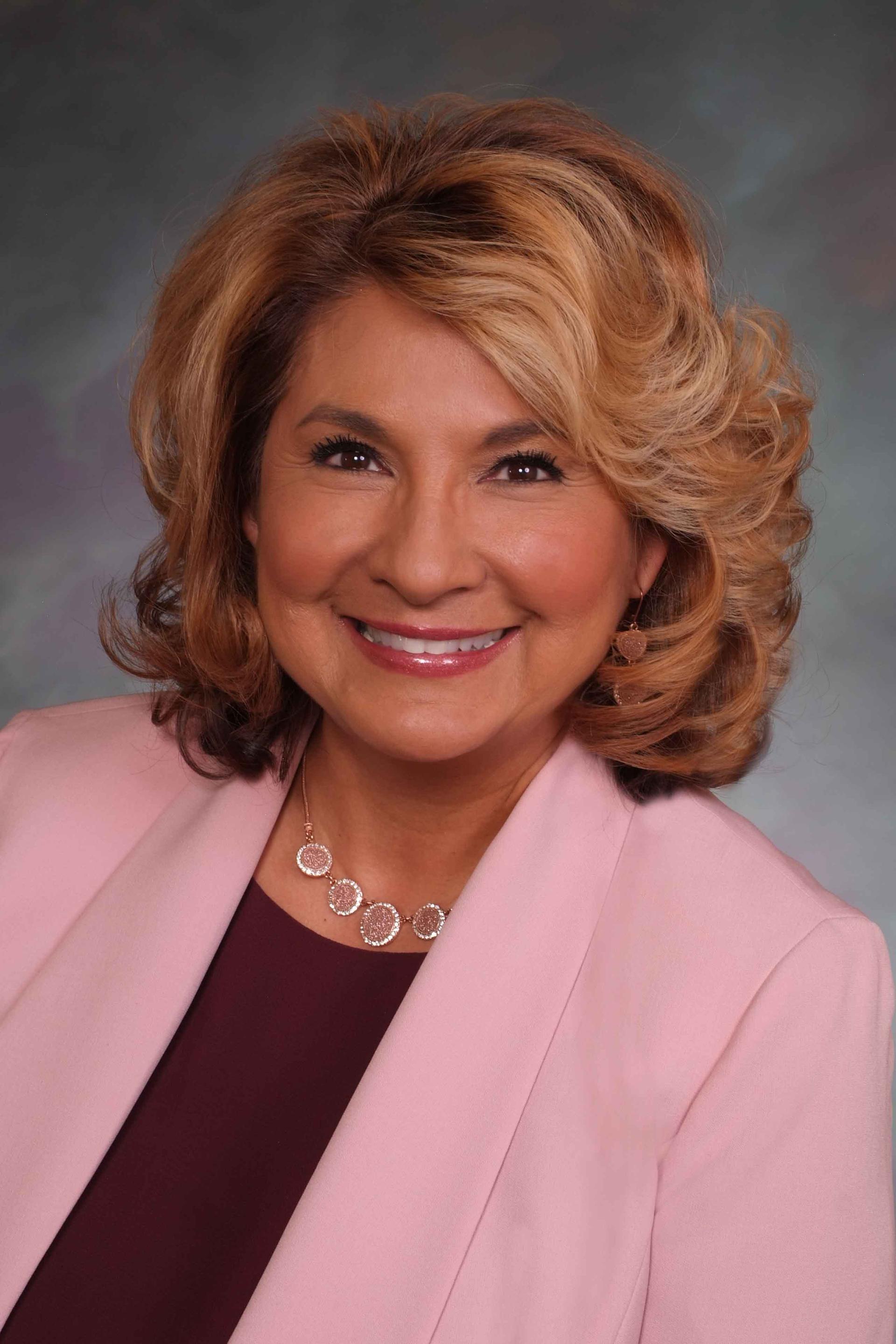
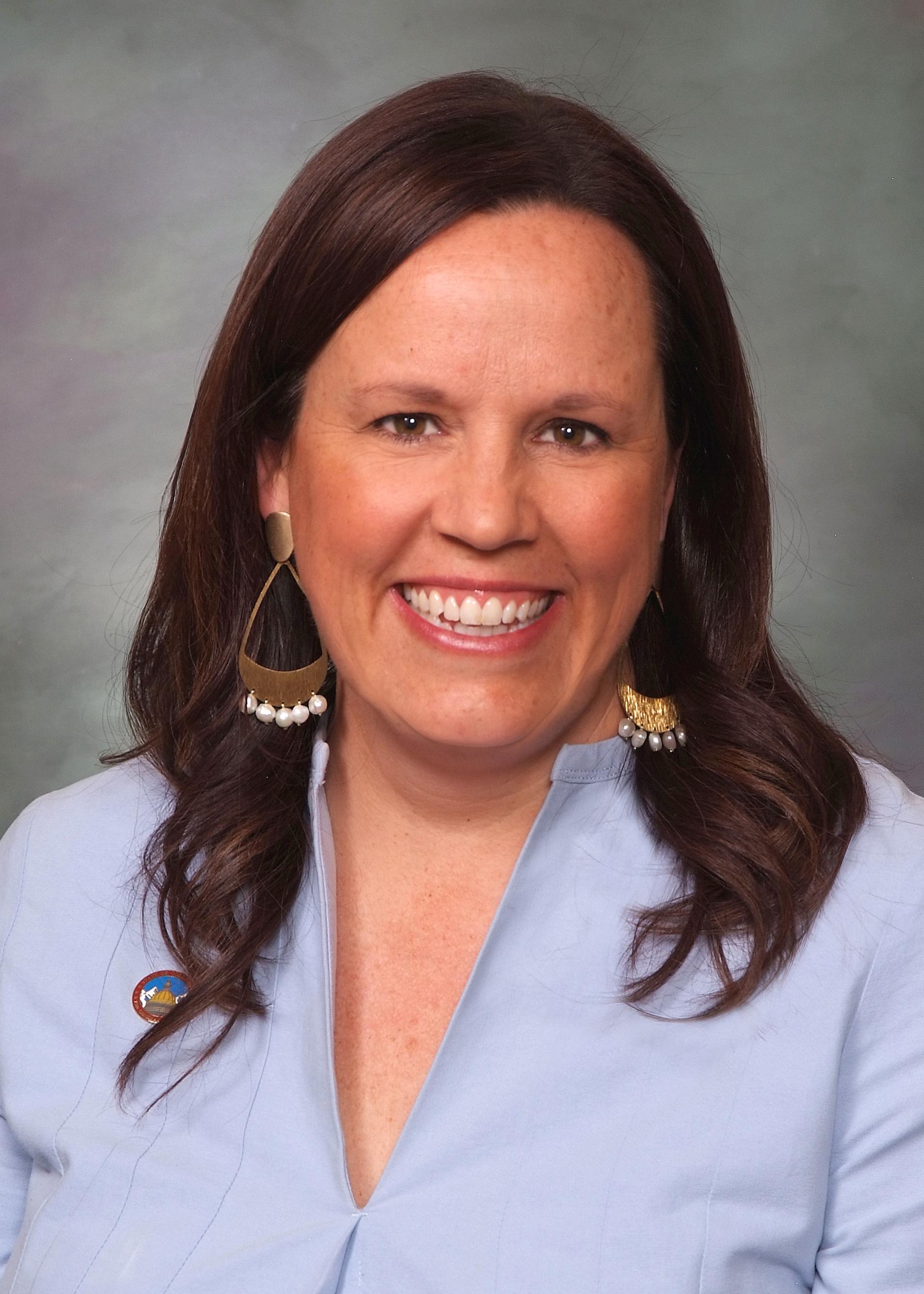
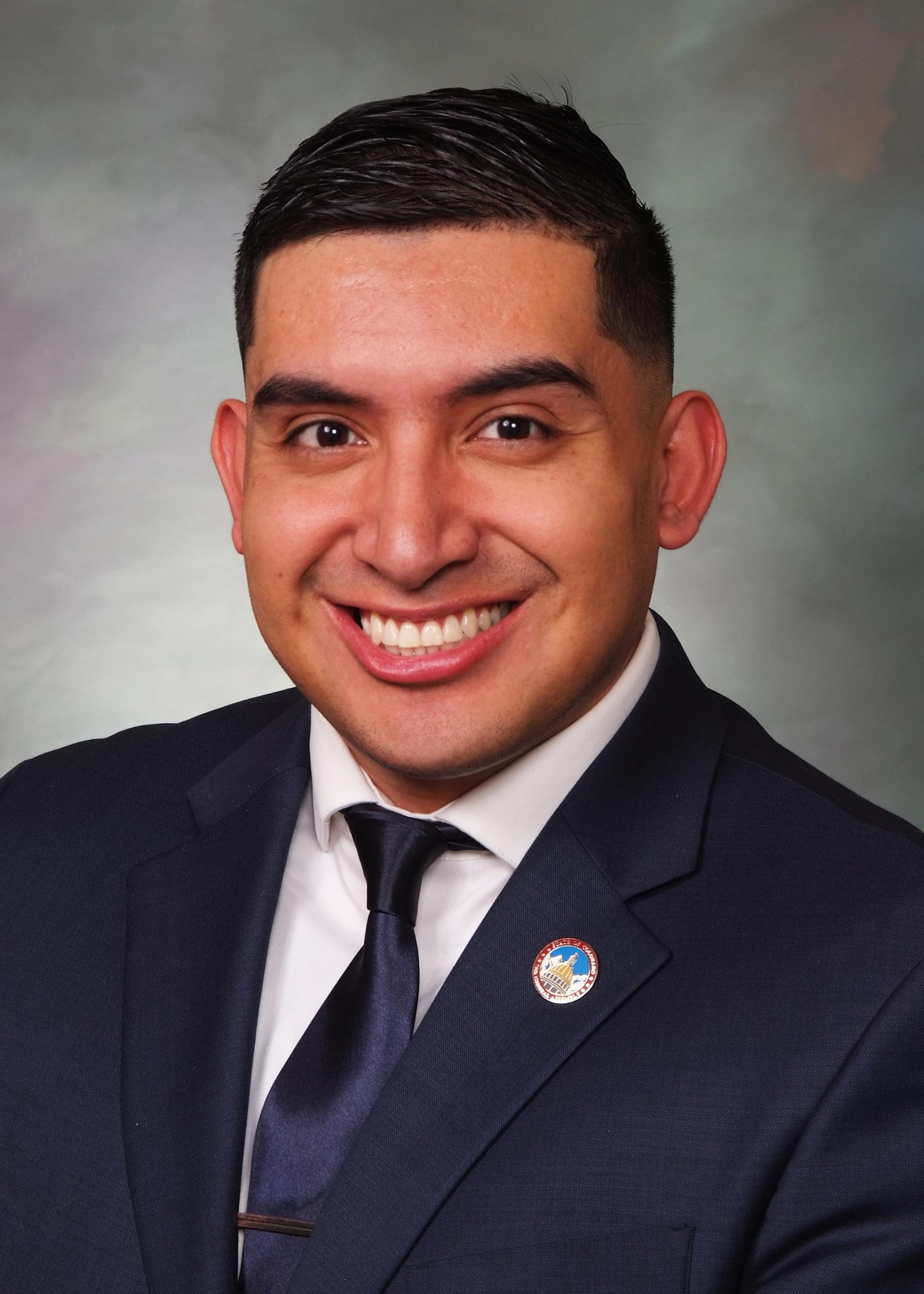
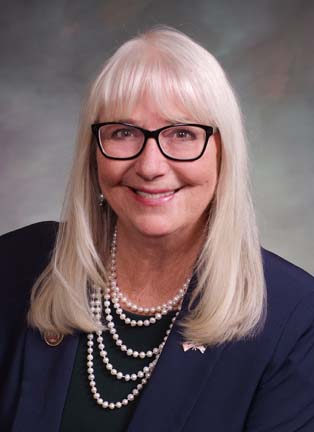
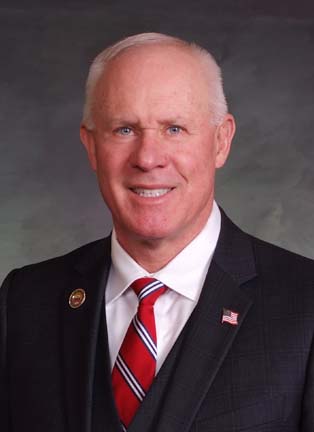
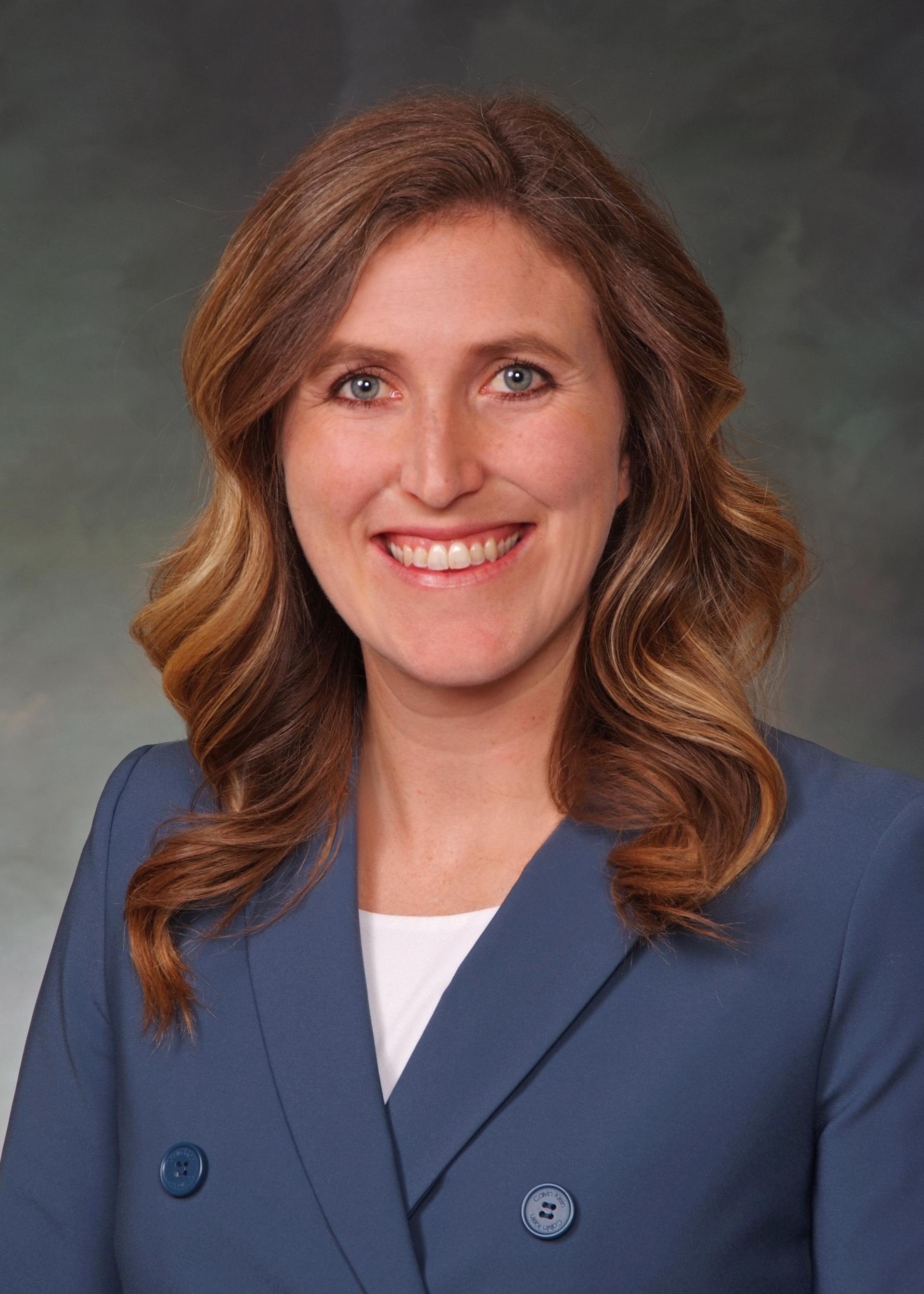
The Champions of Medicine Award recognizes legislators who have demonstrated a genuine commitment to supporting Colorado’s patients and physicians. This prestigious honor is awarded to policymakers whose leadership and advocacy safeguard and enhance the practice of medicine, ensuring that physicians can continue to provide high‑quality care to the communities they serve. |
|
|
|
Make your voice heard and sign up for our Insiders' Edge advocacy update: Fill out the CMS Advocacy Survey | |
|
|
Support COMPAC and the Small Donor Committee! |
Strong physician advocacy is built through peer‑to‑peer engagement, and physicians remain our most influential messengers. This spring, COMPAC is launching a short‑term matching campaign to expand participation and amplify our collective impact.
We’re asking committed physicians to contribute at least $300 to COMPAC and invite five colleagues to match or exceed that gift. To recognize outstanding outreach, the top three advocates who generate the most matched contributions will receive a special meet‑and‑greet with a legislator in their area — a unique opportunity to strengthen relationships and elevate physician voices.
All contributions and match commitments must be completed by the end of May. To get started, click the button below to donate, and then share with colleagues through the “Fundraise” option. Contact Cecilia Comerford at [email protected] for assistance.
|
COMPAC and the Small Donor Committee need your contributions heading into another active election season and legislative session. Contribute through our secure portal, cms.org/contribute, or on your annual member dues invoice.
Any individual 18 and older can contribute. Contribution limits apply. $50 per year to the SDC; $725 per election cycle to COMPAC. If you think you may have met the contribution limit already, contact [email protected]. |
|
|
|
|